
2026 Best Shilajit Extract Types for Global Buyers

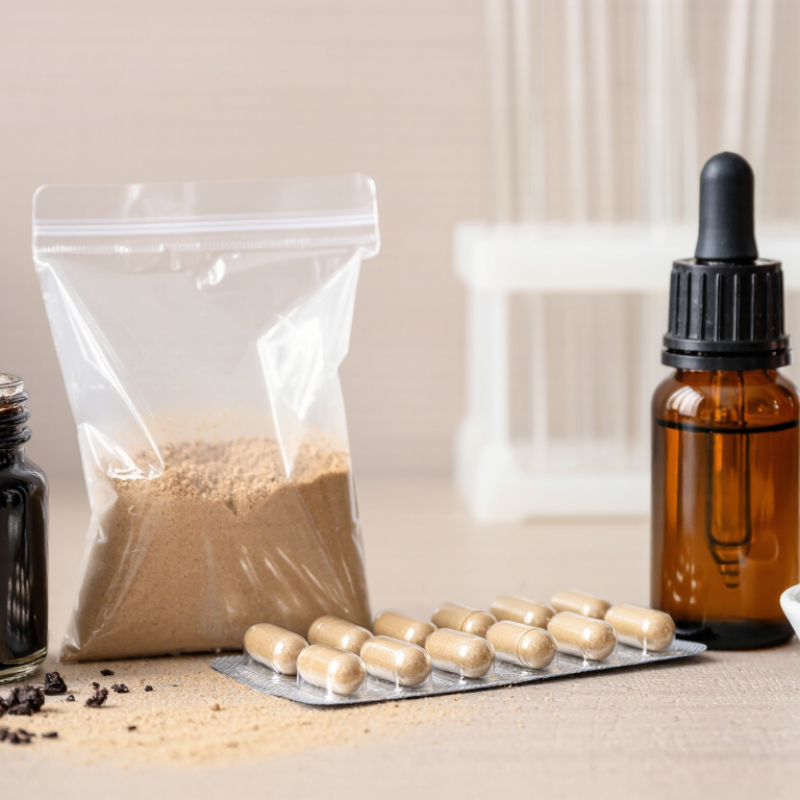
The 2026 market offers Shilajit Extract as resin, powder, capsules, and liquid preparations. Each format can suit a different routine, but appearance alone cannot verify quality. Buyers need to look beyond dark color, strong aroma, or premium packaging. Details matter.

In their review, researcher Carlos Carrasco-Gallardo and coauthors described shilajit as “a natural phytocomplex with potential procognitive activity.” That phrase reflects scientific interest, not proof that every commercial product delivers a health benefit. Product composition can vary with source material and processing. A resin may feel traditional and easy to inspect, while capsules offer measured servings. Powders and liquids may be convenient, but their concentration and added ingredients deserve close attention.

This guide compares common Shilajit Extract types through practical buyer questions: Is the ingredient identity clear? Does the supplier share batch-specific testing for purity and contaminants? Are extraction methods and serving information explained plainly? Buyers should also check whether claims are appropriately supported and whether documentation is relevant to their market. A polished certificate is not enough if its batch, method, or laboratory cannot be verified. I would not treat “standardized” as a magic word, either; the details behind the specification matter. The best choice depends on the buyer’s use case, evidence available, and tolerance for uncertainty. Some labels still leave too much unsaid. This comparison helps global buyers assess those gaps before choosing a format or supplier.
2026 Best Shilajit Extract Types for Global Buyers

What Shilajit Extract Is and How It Is Used

Shilajit is a dark, resin-like material that seeps from mountain rock. It forms over long periods as plant matter and minerals change under pressure. Its composition varies with location, collection, and processing. Extracts are commonly sold as resin, powder, or capsules. “Extract” alone does not describe purity or strength. Check the label for serving size, ingredients, and preparation details. Some people dissolve resin in warm water; others take capsules with food. Use only as directed. Not a cure.

The Council for Responsible Nutrition’s 2024 Consumer Survey found that 75% of U.S. adults use dietary supplements. That broad figure says little about shilajit’s benefits, which remain less firmly established in human research. For a practical quality check, look for batch-specific testing from an independent laboratory. The report should cover identity, heavy metals, and microbial contamination, with results tied to the exact batch. A vague “lab tested” claim is not enough. Ask whether testing methods and limits are available. If you take medication, are pregnant, or have a health condition, discuss use with a qualified clinician. Purification can reduce contaminants, but it does not make every extract equivalent or risk-free.

The Main Shilajit Extract Types Available to Global Buyers

Global buyers usually encounter shilajit as purified resin, dry extract powder, or capsules and tablets. These are product forms, not proof of different potency. Resin is sticky and dense, often requiring careful weighing. Powder blends more easily into formulas, but carriers may be present. Capsules offer convenient portioning. Simple distinctions matter.

Some suppliers also specify fulvic-acid content or a particular extraction process. Treat these as measurable specifications, not automatic proof of quality. Ask for batch-specific identity, heavy-metal, and microbiological test results from a qualified laboratory. Grand View Research estimated the global dietary supplements market at USD 177.5 billion in 2023 and forecast 9.1% annual growth through 2030. That figure describes the broader supplement market, not shilajit demand. Labels can look precise; sourcing details may not. Compare the test method, extract ratio, and ingredient list before comparing prices. A certificate without matching batch numbers tells you little.

2026 Best Shilajit Extract Types for Global Buyers - The Main Shilajit Extract Types Available to Global Buyers

Commercial Type Typical Form What Buyers Should Know Potential Advantages Key Due-Diligence Checks
Purified resin Soft or semi-solid resin, usually supplied in jars or sachets A concentrated, minimally formulated presentation. Color, texture, and solubility can vary with source and processing; appearance alone does not establish quality. Few added ingredients and a recognizable traditional format. Request a batch-specific certificate of analysis (COA), identity testing, contaminant results, ingredient details, and storage guidance.
Dry extract powder Loose powder or a bulk ingredient for further formulation May be easier to weigh, blend, and package than resin. Extraction and drying processes, carriers, and extract ratios vary between suppliers. Suitable for custom blends and multiple dosage formats. Confirm whether it is a native extract or includes carriers; review moisture, identity, assay methods, and batch-level contaminant testing.
Marker-specified powder Powder with a declared level of a selected marker, often fulvic-acid-related measures A declared marker can help buyers compare specifications, but results depend on the test method and do not by themselves prove identity, purity, or overall quality. Offers a measurable purchasing specification when the analytical method is clearly defined. Check the assay method, laboratory details, reporting basis, and whether the marker claim is supported by the COA for each batch.
Capsules and tablets Finished products containing resin, powder, or extract, sometimes with other ingredients These are delivery formats rather than distinct extract types. Ingredient amounts, excipients, and serving instructions differ by product. Convenient for portioning, transport, and retail packaging. Verify the full ingredient list, amount per serving, manufacturing controls, applicable destination-market rules, and finished-product testing.
Liquid extract Liquid drops or a measured liquid preparation Formulas may use different solvents, concentrations, and preservation systems. A liquid format does not necessarily mean it is more concentrated or more readily absorbed. Can be convenient for buyers who prefer a measured liquid format. Check solvent and preservative details, concentration per serving, stability data, packaging compatibility, and storage requirements.

Buyer note: Shilajit specifications and processing practices are not uniform across the market. For any format, request a batch-specific COA and assess identity, heavy metals, microbial quality, and other relevant contaminants using suitable test methods. Confirm that product claims and labeling comply with the rules in each destination market.

How Shilajit Extracts Are Processed and Standardized

2026 Best Shilajit Extract Types for Global Buyers
How Shilajit Extracts Are Processed and Standardized

Shilajit extracts can differ before they ever reach a finished powder or resin. Processors may dissolve the raw material in water, remove insoluble particles, then concentrate and dry the filtered extract. Temperature, filtration, and drying choices can affect the final material. There is no single process shared by every supplier. A dark color or resin-like texture alone cannot confirm purity.

Standardization often focuses on measured compounds, such as fulvic acids. But results depend on the laboratory method and the sample tested. A percentage on a label is more useful when the supplier explains its test method and provides a batch-specific certificate of analysis. That document should identify the tested batch and include relevant contaminant results, such as heavy metals and microbial testing. The awkward part: one marker cannot describe the extract’s entire composition. Buyers should compare process details and test methods, not just headline percentages.

Tips: Ask whether the extract is water-processed, how it is dried, and which laboratory performed the tests. Check that documents match the shipment batch. If the answers are vague, pause and ask again.

Quality, Safety, and Compliance Factors to Compare

2026 Best Shilajit Extract Types for Global Buyers

Global buyers should assess quality, safety, and compliance separately. Ask whether the product is raw resin, purified resin, or a dry extract, and request its processing method. Standardized fulvic-acid results help compare lots, but testing methods differ. The percentage alone proves little. Request a batch-specific certificate covering identity, heavy metals, microbes, pesticides, and residual solvents. Confirm that the laboratory is accredited for the methods used. Good paperwork matters.

WHO’s 2007 guidance on contaminants in herbal medicines lists reference values for four metals. These are 10 mg/kg for lead, 0.3 mg/kg for cadmium, 1 mg/kg for arsenic, and 0.5 mg/kg for mercury. These are screening references, not universal legal limits; verify destination-market requirements. A clean certificate still cannot guarantee every batch is identical. Natural material varies, and that deserves attention.

Tips: Test every batch. Ask for original lab reports, not just a supplier summary, and match report lot numbers to the package. Check packaging integrity and retest timing, too. These details are easy to overlook.

How to use this comparison: Under U.S. dietary supplement cGMP regulations (21 CFR 111.70), manufacturers must establish specifications covering identity, purity, strength, composition, and limits on contaminants. Ask suppliers for product-specific evidence covering these areas; the exact tests depend on the shilajit format and manufacturing process. Requirements vary by market, so confirm the rules in each destination country. The bars list regulatory categories, not product scores or a ranking of extract types.

How to Select and Store Shilajit Extract for Different Markets

Global buyers should select shilajit extract by format, traceability, and verified composition, not color alone. Resin suits markets where customers can handle sticky material, while powder is easier to portion and blend. Extract strength can vary. Request a batch-specific certificate of analysis showing identity, key constituents, heavy metals, and microbial results from a qualified laboratory. Compare test methods and units across suppliers; a percentage is not useful if its basis is unclear. Keep a retained sample from each lot. Surprises happen.

Storage conditions should match the shipping route, not just the warehouse. In humid ports, use tightly sealed, moisture-resistant containers and keep them away from floors and exterior walls. For hot routes, protect stock from direct sunlight and temperature swings. Moving cold containers into warm rooms can cause condensation, so allow them to adjust before opening. Use clear lot codes and record storage temperatures where practical. Market packaging needs may differ, and shelf life should be supported by stability data for the chosen format. I would not assume a dry powder is automatically safe from humidity; small leaks can still change its texture.

Cell Projects Ltd
Privacy Overview

This website uses cookies so that we can provide you with the best user experience possible. Cookie information is stored in your browser and performs functions such as recognising you when you return to our website and helping our team to understand which sections of the website you find most interesting and useful.