Buccal swab technology is revolutionizing DNA testing solutions. This innovation is gaining traction among healthcare professionals and researchers. Dr. Emily Carter, a leading expert in genetic testing, noted, "Buccal swabs offer a simple and non-invasive way to collect DNA."
The advancements in buccal swab technology have made genetic testing more accessible. With easy sample collection, more individuals can participate in genetic studies. These changes reflect a shift toward user-friendly processes. However, challenges remain in standardizing collection methods across various settings.
Despite the promising landscape, some experts caution against complacency. Ensuring the accuracy and reliability of test results remains paramount. Continuous refinement of buccal swab technology is essential to build trust among users. As innovations unfold, the future for DNA testing solutions looks bright yet requires careful oversight.
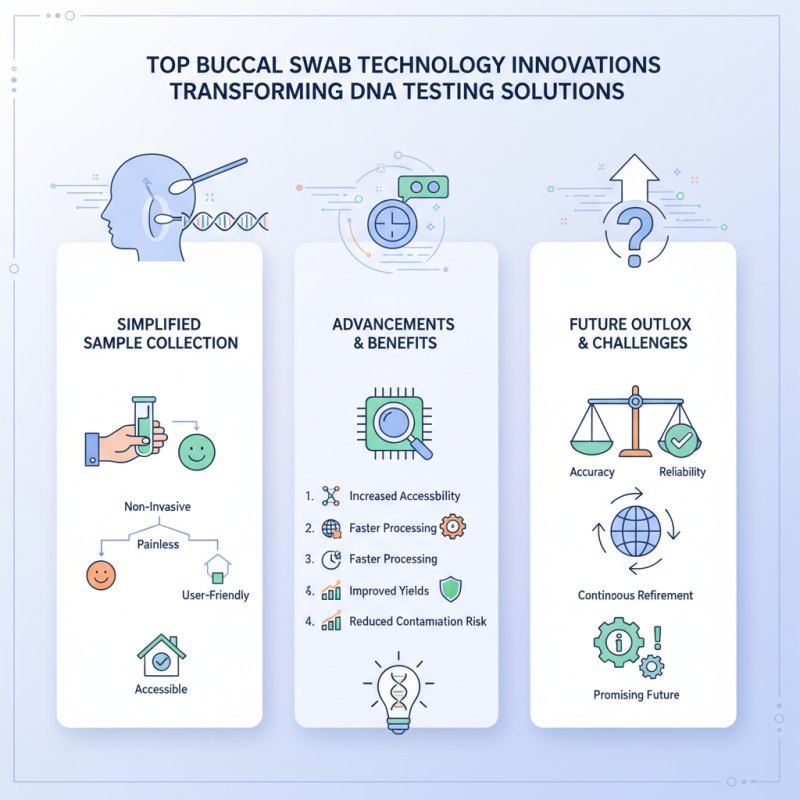
The advancements in buccal swab technology are paving the way for more efficient DNA collection methods. Recent studies indicate that the global DNA testing market is projected to reach USD 15.3 billion by 2028, growing at a CAGR of 11.3%. This surge is largely driven by innovations that enhance sample collection and processing efficiency. New swab designs offer improved saliva absorption, leading to higher DNA yields. Notably, self-collection kits have made it easier for individuals to participate in genetic testing while ensuring sample quality.
Moreover, the automation in buccal swab processing is noteworthy. Automated systems reduce human error and increase throughput, allowing laboratories to handle larger volumes of samples. However, these innovations come with challenges, such as managing the quality of raw samples. Some studies indicate variability in DNA yield based on the collection technique used. Continuous refinement in collection protocols remains vital for meeting the increasing demand for reliable genetic information. Understanding these nuances helps laboratories and consumers make informed decisions in the realm of DNA testing.
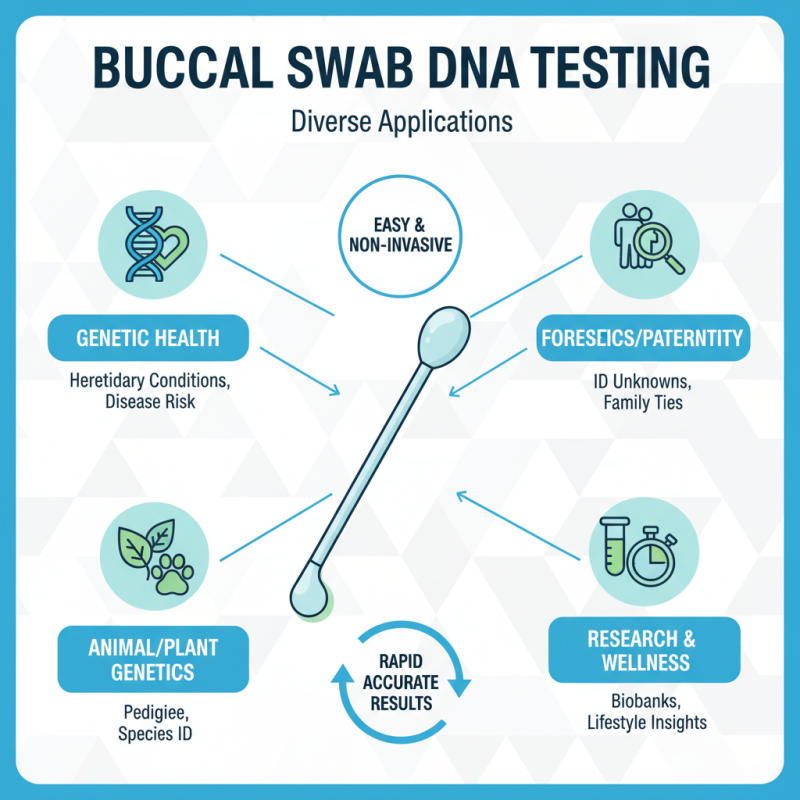
Buccal swabs have revolutionized DNA testing. They offer a simple and painless way to collect genetic material. Unlike traditional blood samples, buccal swabs require only a gentle rub inside the cheek. This makes the process accessible to a wider audience, including children and the elderly.
One significant advantage of buccal swabs is their ease of use. Collecting samples doesn't need any special training or equipment. Individuals can perform the test at home or in a simple clinical setting. Additionally, buccal swabs are less invasive, which can reduce anxiety for many. However, it’s essential to handle the samples properly to ensure accurate results. Potential contamination can affect data integrity.
Another key benefit is the stability of buccal swab samples. They can be stored at room temperature for a longer period compared to blood samples. This feature simplifies logistics for testing. However, it's crucial to follow guidelines for preservation. Neglecting storage protocols may lead to compromised samples. This highlights the need for ongoing education about proper techniques in DNA collection.
Buccal swabs have become essential in DNA testing. New techniques are emerging that enhance both accuracy and efficiency. These innovations involve better collection methods and advanced analysis tools. For instance, refining swab materials can increase the yield of DNA collected. This is crucial for tests that require minimal sample volume.
Furthermore, automated systems are now in place. These systems can process swab samples faster than traditional methods. They reduce human error and improve consistency in results. However, there are challenges. Not all techniques are universally applicable; some may work better on specific populations or conditions. It’s essential to evaluate each method’s effectiveness based on the context of use.
The integration of artificial intelligence in analysis is another key trend. AI can model patterns in DNA more accurately, which can help in various fields, from forensics to ancestry research. While promising, this technology needs thorough testing. There is always a risk of over-reliance on algorithms that could misinterpret data or overlook unique genetic markers. Continuous evaluation and research are necessary as this field evolves.
Buccal swab technology has revolutionized DNA testing across various fields. Its ease of use makes it accessible for both professionals and individuals. For instance, health care providers use buccal swabs for genetic testing to identify hereditary conditions. This method minimizes discomfort while providing accurate results. The non-invasive nature of the swab means it can be done anywhere, promoting widespread usage.
In forensics, buccal swabs play a critical role in crime scene investigations. Law enforcement uses them to collect DNA samples from suspects and victims. This method significantly enhances the ability to match DNA with existing databases. The reliable results from buccal swabs support justice initiatives and can help exonerate the innocent.
Tips: Always follow proper guidelines when collecting samples. Ensure that the swab is dry and sterile before use. Proper handling of samples is crucial for obtaining accurate results. Reflect on the importance of consent when performing DNA tests, as it holds ethical significance in both health and legal contexts.
Buccal swab technology is evolving rapidly, influencing genetic research and testing. Innovations in this area aim to enhance accuracy and accessibility. Researchers are finding ways to improve sample collection methods while ensuring user comfort.
One promising trend involves real-time analysis of genetic material. This could provide quicker results in clinical settings. Moreover, advancements in swab design are making it easier to collect sufficient samples. The focus is on non-invasive methods that anyone can use. Familiarity with the process increases participation in genetic studies.
Tips for optimal sample collection include: ensuring the mouth is dry before swabbing and avoiding eating or drinking an hour prior. Proper technique is essential to gather the best sample possible for accurate results. Continuing education for healthcare professionals is crucial, as improper training can lead to ineffective collection, thus affecting testing outcomes.
As buccal swab technology advances, ethical considerations arise. The potential for misuse of genetic information must be addressed. Researchers and companies alike should prioritize user consent and privacy. Balancing innovation with responsibility will shape the future of genetic testing.