How to Choose the Best Nasal Opening Strips?
Choosing Nasal Opening Strips can seem simple until you compare widths, shapes, adhesives, and claims. These small external bands are designed to gently lift the sides of the nose, which may help some people feel less nasal resistance. They do not work equally well for everyone, and they are not a treatment for every cause of congestion or noisy breathing.
Start with fit and comfort. A strip should sit across the bridge of the nose, with its ends resting on clean, dry skin. If it wrinkles, pulls, or lifts at the edges, it may not suit your nose shape. Check the product’s size guide, and consider a sample pack before buying a large box. Sensitive skin? Review the adhesive information and test cautiously. Remove the strip gently; irritated skin is a reason to stop using it.
Small details matter. Think about whether you need a strip for quiet sleep, exercise, or occasional congestion. Compare packaging, cost per strip, and instructions—not just bold marketing claims. A comfortable fit is more useful than a dramatic promise. Still, personal experience is not proof that a product works for everyone.
This guide explains how to compare common designs, assess fit, and use strips as directed. It also covers situations where a strip may not be enough. Persistent nasal blockage, breathing pauses during sleep, or ongoing discomfort deserves professional advice. Nasal Opening Strips may offer temporary support, but they cannot identify the underlying cause. The best choice is the one that feels comfortable, suits your needs, and comes with clear, realistic guidance. Some trial and error may happen. That part is worth acknowledging.
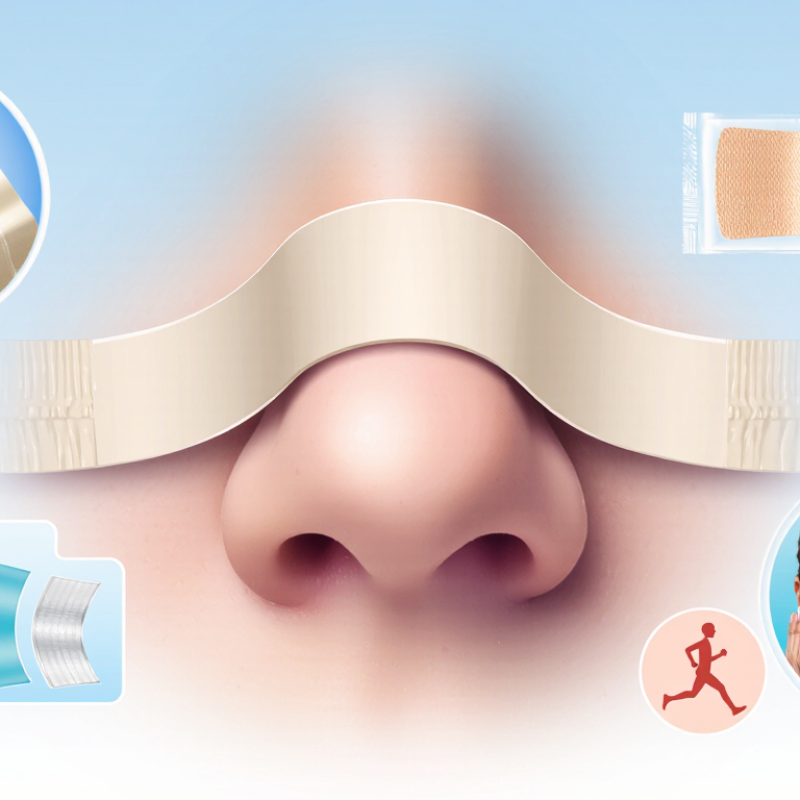
Identify Your Need: Nasal Congestion Relief, Exercise, or Snoring
Choose a nasal strip for the problem you want to address, not just the one with the strongest claims. For a stuffy nose, an external strip gently lifts the sides of the nose to widen the nasal passages. It may make breathing feel easier, especially when congestion is mild, but it does not treat allergies, a cold, or infection. That distinction is easy to miss. If congestion is severe or keeps returning, ask a healthcare professional about the cause.
For exercise, comfort and staying power matter. Try a strip during an easy walk before wearing it for a hard workout. Check that it stays put when you sweat and does not pull uncomfortably at your skin. A strip may help some people breathe through the nose more comfortably, but it is not a guaranteed way to improve athletic performance. Fit can be annoyingly personal.
If snoring is your concern, a strip may help when nasal airflow is part of the problem. Snoring can also come from narrowing deeper in the throat, so opening the nostrils may not be enough. Notice whether the sound changes, but do not treat that as a diagnosis. Loud, ongoing snoring, gasping during sleep, or daytime sleepiness deserves medical advice. Apply strips to clean, dry skin, and stop if irritation develops.
Understand Nasal Valve Support and What External Strips Can—and Cannot—Do
How to Choose the Best Nasal Opening Strips?
Understand Nasal Valve Support and What External Strips Can—and Cannot—Do
External nasal strips work by gently pulling the skin beside the nose outward. This can support the nasal valve, the narrow area just inside each nostril, and may make nasal breathing feel easier when that area is prone to narrowing. Check that the strip sits across the sides of your nose, not high on the bridge. A comfortable fit matters; redness or itching is a reason to stop and reassess. Small details count.
The limits matter just as much. A strip cannot open a blocked nose caused by swollen tissue, correct a deviated septum, or prevent the throat from collapsing during sleep. A quieter night is not proof that a sleep disorder has improved. Benjafield and colleagues estimated that 936 million adults aged 30–69 worldwide had mild-to-severe obstructive sleep apnea in their 2019 Lancet Respiratory Medicine analysis. That figure does not mean snoring signals apnea, but it shows why persistent loud snoring or gasping deserves attention.
For suspected sleep apnea, strips are not a substitute for assessment. The American Academy of Sleep Medicine’s 2017 diagnostic guideline identifies sleep testing as the way to evaluate adults with suspected obstructive sleep apnea. A strip may still help some people with nasal-valve narrowing, especially during exercise or sleep. It may help less than expected. Track what changes—nasal comfort, mouth breathing, or sleep disruption—and discuss ongoing symptoms with a clinician. One quiet night can be encouraging, but it is not a diagnosis.
Check FDA Records: External Nasal Dilators Are Generally Class I Devices
How to Choose the Best Nasal Opening Strips?
When comparing nasal opening strips, check how the product is described in FDA records. External nasal dilators are generally Class I medical devices. That classification refers to a regulatory category, not a promise that a strip will work for everyone. It also does not mean the FDA has approved or endorsed a particular product. Check the specific device’s listing and labeling rather than relying on a seller’s broad claim. Records can be confusing, and classification alone says little about comfort or results.
Fit and skin comfort matter in daily use. Look for clear instructions, suitable sizing, and adhesive designed for skin. A strip should sit across the outside of the nose without pulling painfully. If the skin becomes irritated, stop using it. Nasal strips may help widen the nasal passages during sleep or exercise, but they do not treat every cause of congestion. Persistent blockage deserves medical advice. A label can clarify intended use, though it cannot predict your own experience.
Tips: Apply the strip to clean, dry skin, and remove it gently. Compare the instructions with the FDA record for that exact device. If the fit feels wrong, do not force it. Even a well-classified device can be uncomfortable.
Compare Adhesive Performance Using ASTM D3330 Peel-Adhesion Testing
How to Choose the Best Nasal Opening Strips?
Adhesive performance is more than a claim on a package. ASTM D3330 provides standardized methods for measuring peel adhesion in pressure-sensitive tapes. In a controlled comparison, labs apply strips to a specified test panel, allow a set dwell time, then peel them at a defined angle and speed. The recorded force, often normalized by strip width, helps compare samples fairly. Keep the backing material, adhesive area, conditioning, and test procedure consistent.
Small changes matter.
A higher peel value is not automatically better. A nasal strip must stay in place while following the curve over the bridge of the nose, yet come off without undue discomfort. Standardized panel results cannot fully predict how adhesive behaves on real skin, where oil, moisture, hair, and movement vary.
Not the whole story.
Look for testing details, not just a single number. If possible, compare controlled peel data with wear observations under similar conditions. Note whether edges lift after a few hours or the strip feels difficult to remove. I would still question a result that lacks clear test conditions; precision on paper can hide practical differences.
Assess Skin Safety, Fit, Wear Time, and Removal Before Choosing a Strip
How to Choose the Best Nasal Opening Strips?
A strip should sit across the outside of your nose, not cover the nostrils. Check its size and shape against your nose before opening the package. The edges should lie flat, without pulling hard on the skin. A poor fit may lift during sleep or feel tight when you smile. Comfort matters.
Skin safety deserves a small test. Place a strip on clean, dry skin for the shortest recommended wear period, then check for redness, itching, or soreness. Avoid applying it to broken, sunburned, or irritated skin. Adhesives can affect people differently; even a gentle strip may cause a reaction. It is easy to focus on how well a strip holds, and overlook how it feels later.
Follow the package’s wear-time instructions rather than assuming longer is better. When removing the strip, loosen an edge and peel it back slowly, keeping it close to the skin. Warm water may help release stubborn adhesive, but do not yank it off. Stop using the strip if irritation develops. Nasal strips may make airflow feel easier, but they do not treat every cause of congestion or noisy breathing. Persistent symptoms deserve advice from a qualified healthcare professional.
How to Choose the Best Nasal Opening Strips? – Assess Skin Safety, Fit, Wear Time, and Removal Before Choosing a Strip | Factor | What to Check | Practical Guidance | Caution |
| Skin safety | Adhesive ingredients, skin sensitivity, and the condition of the skin on the nose. | Choose a strip whose packaging provides clear material and use instructions. Apply to clean, dry skin, and consider testing a small area first if you have sensitive skin. | Do not apply over cuts, rash, sunburn, or irritated skin. Stop using the strip if burning, significant redness, itching, or swelling occurs. |
| Fit and placement | Strip width, shape, flexibility, and whether it sits across the intended area of the nose. | Follow the package placement diagram. The strip should adhere securely without covering the nostrils or causing uncomfortable pulling. A size guide can help when available. | A strip that is too large, too small, or incorrectly positioned may not stay in place or provide the intended mechanical support. |
| Wear time | The maximum wear time stated on the product instructions and whether the strip is intended for daytime, overnight, or both. | Use the strip only for the period specified on its packaging. Remove it sooner if it becomes uncomfortable or the skin reacts. | Wear-time limits vary by product. Do not assume that a strip can be worn longer than its instructions allow. |
| Removal | Whether the instructions explain how to loosen the adhesive and remove the strip gently. | Peel slowly and gently, following the package directions. If the adhesive feels difficult to release, use water or another method only if the instructions recommend it. | Avoid forcefully pulling the strip off, which can irritate or damage skin. Stop if removal causes pain or skin injury. |
| Purpose and expectations | Whether you want temporary support for airflow through the nose or are trying to address persistent breathing or sleep problems. | External nasal strips mechanically pull the sides of the nose outward. They may help some people feel that nasal airflow is easier, but results vary. | They do not treat the underlying cause of ongoing nasal blockage or obstructive sleep apnea. Seek medical advice for persistent symptoms or breathing pauses during sleep. |