China Best Emergency Eyewash Suppliers How to Choose
Choosing the right China Emergency Eyewash supplier requires more than comparing prices and product photos. In factories, laboratories, workshops, and warehouses, a reliable unit can protect eyes during a stressful chemical exposure. The response must be immediate. Water should reach both eyes gently and continuously, without forcing the user to search for hidden controls. A practical evaluation should examine spray patterns, bowl depth, drainage, materials, activation speed, and installation guidance. Stainless steel may suit corrosive environments, while coated steel can reduce costs in less demanding areas. The correct choice depends on risk, not appearance.
A trustworthy supplier should provide clear specifications, inspection records, material information, and consistent production evidence. Ask for product testing details and confirm whether designs align with recognized workplace safety requirements, such as ANSI/ISEA Z358.1, where applicable. Certifications deserve careful checking. Some documents look impressive but explain very little. Request samples before placing a large order. Test the flow, valve movement, weld quality, and packaging. Small faults matter. Supplier communication also reveals practical experience. Can the team answer questions about water pressure, winter protection, spare parts, and maintenance? Can they explain lead times honestly? A low quotation may hide thin materials, weak quality control, or expensive replacement parts. No supplier is perfect. However, transparent records, responsive service, and repeatable quality create stronger confidence. This guide explores how to compare China suppliers and select an Emergency Eyewash solution that is dependable, suitable, and easier to maintain.
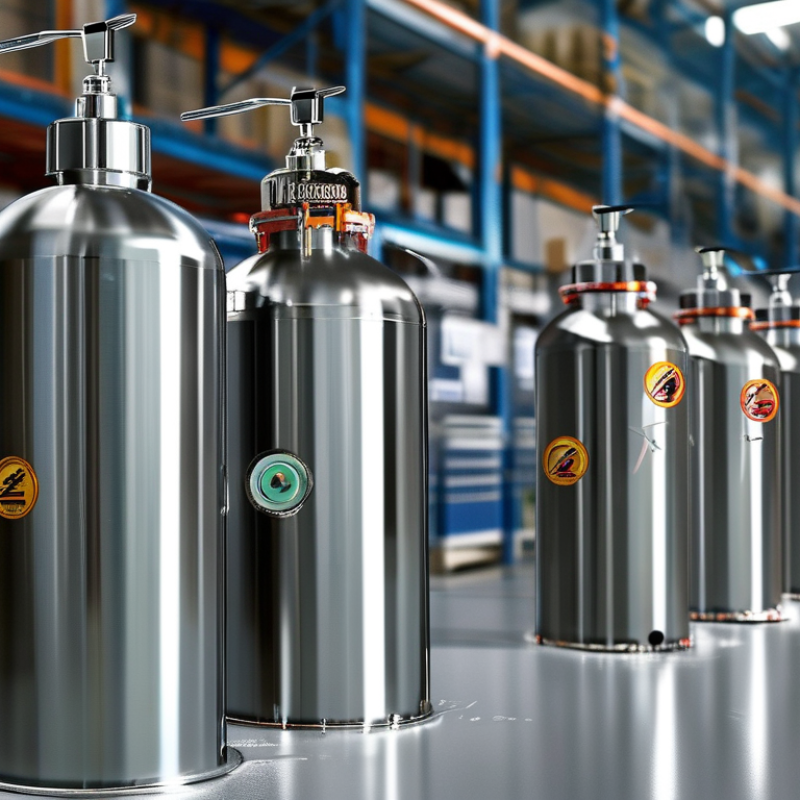
What Defines a Reliable Emergency Eyewash Supplier in China
What Defines a Reliable Emergency Eyewash Supplier in China
A reliable emergency eyewash supplier proves performance, not just production capacity. ANSI/ISEA Z358.1 requires Eyewash Equipment to deliver continuous flushing for 15 minutes. The standard also specifies accessible activation and tepid water, generally between 16°C and 38°C. These details matter when corrosive dust reaches an operator’s face.
Ask for dated flow-test records, material certificates, and inspection photographs. Stainless steel is useful in humid plants, but alloy grade and weld quality still require verification. During supplier audits, check whether each unit is tested after assembly, not only during product development. A polished catalog can hide weak drainage, uneven spray, or fragile pull handles. Small defects become serious under pressure.
Independent laboratory reports add credibility. The Liberty Mutual Workplace Safety Index estimated $58.5 billion in serious workplace injury costs in the United States during 2021. That figure shows why emergency equipment deserves more than a low purchase price. A dependable supplier should explain compliance with ANSI/ISEA Z358.1, provide installation guidance, and support spare-parts availability. Response time matters too. Request clear evidence for lead times, batch traceability, and corrective actions. Some suppliers may offer excellent samples but inconsistent mass production; this risk is easy to underestimate. A practical evaluation should include factory video calls, random sample testing, and written after-sales responsibilities. Reliability is demonstrated over time, not promised in a quotation.
China Emergency Eyewash Supplier Selection: Key Reliability Benchmarks
A reliable supplier should provide products and test documentation that meet recognized emergency eyewash requirements. The chart summarizes core reference values from ANSI/ISEA Z358.1 for supplier evaluation.
When comparing suppliers, verify conformity records, flow-rate testing, activation performance, material quality, installation guidance, spare-parts availability, and after-sales support. Reference: ANSI/ISEA Z358.1-2014 emergency eyewash requirements.
Key Standards and Certifications for Emergency Eyewash Equipment
China Best Emergency Eyash Suppliers How to Choose
Choosing an emergency eyewash supplier requires more than checking price or delivery time. ANSI/ISEA Z358.1-2014 requires eyewash units to provide flushing fluid for at least 15 minutes. The flow should reach both eyes gently, without harmful pressure. Water temperature should remain tepid, generally between 16°C and 38°C. These details matter during chemical exposure.
OSHA 29 CFR 1910.151(c) requires suitable flushing facilities where corrosive materials may contact workers. The U.S. Bureau of Labor Statistics reported 2.6 million nonfatal workplace injuries in private industry during 2023. This figure does not measure eyewash failures, but it shows why emergency readiness needs evidence. A qualified supplier should provide test records, material certificates, installation guidance, and maintenance procedures. Look for clear references to ANSI/ISEA Z358.1, EN 15154, or applicable national standards.
During site inspections, a common mistake is accepting a certificate without checking the actual unit. Is the valve easy to activate? Can both hands remain free? Does the spray stay balanced after months of use? Suppliers should explain weekly activation checks, annual inspections, drainage, and freeze protection. Certification helps, but it is not proof of performance. I would also verify factory quality controls and independent testing reports. A supplier may offer impressive documents. The missing detail can matter more.
How to Compare Supplier Product Quality, Features, and Customization
Choosing among China’s best emergency eyewash suppliers requires more than comparing prices. Product quality should match ANSI/ISEA Z358.1 requirements, including a continuous 15-minute flush and tepid water. OSHA reports that about 2,000 U.S. workers suffer job-related eye injuries daily. This figure makes reliable performance a safety requirement, not a sales feature.
Compare basin materials, spray-head protection, water pressure, drainage, and test-valve durability. Stainless steel usually handles corrosive workplaces better than basic painted steel.
Ask suppliers for flow-test records, material certificates, and inspection photos. Request samples before ordering. A polished brochure proves little.
In practice, a weak foot pedal or blocked nozzle can delay treatment by seconds. That detail is easy to miss.
Tips: Check whether the supplier performs weekly activation tests and records results. Confirm spare-part availability, installation drawings, and response times. Customization may include wall or floor mounting, warning signs, dust covers, heated lines, and special coatings. However, excessive customization can complicate maintenance. I would prioritize simple parts and clear instructions over impressive accessories. Compare actual test data, not only catalog claims. ANSI/ISEA guidance, OSHA recommendations, and supplier quality-control reports provide stronger evidence than attractive product photographs.