How to Choose Genetic Sampling Technology for Global Buyers?
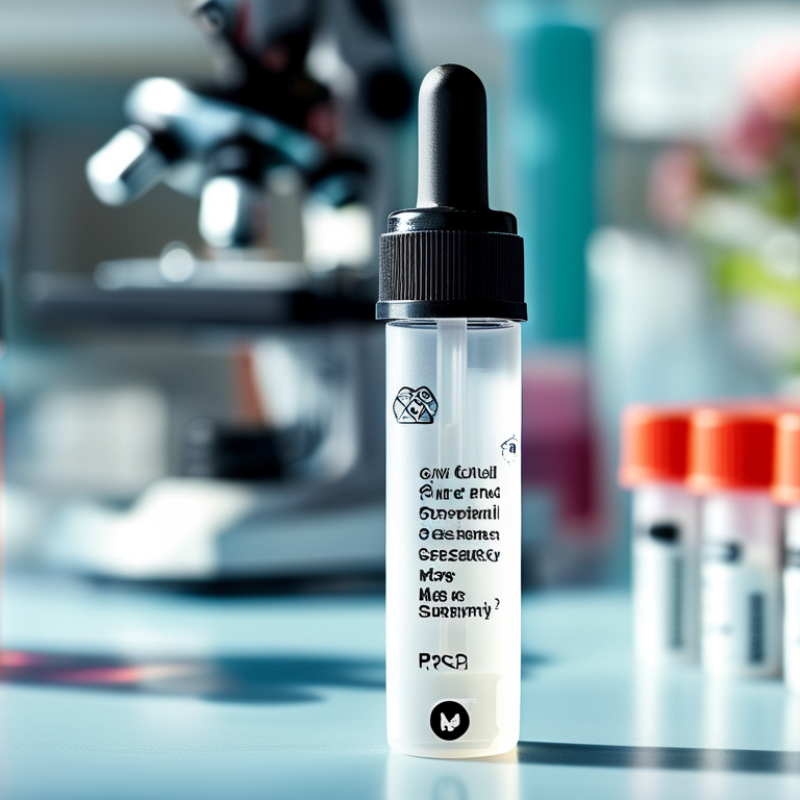
Choosing genetic sampling technology for global buyers is not simply a matter of selecting the newest kit. It is a practical decision involving sample type, transport conditions, laboratory capacity, cost, and regulatory expectations. A saliva tube may suit community screening, while a buccal swab can simplify collection in clinics or remote locations. Blood-based methods may provide richer material, but they often require trained staff and stronger temperature control.
As molecular biologist Kary Mullis explained, “PCR is a way of making many, many copies of a particular piece of DNA.” His observation highlights an important point: downstream testing cannot repair a poorly collected sample. Buyers should examine collection volume, stabilisation chemistry, contamination control, extraction compatibility, and expected DNA yield. They should also request validation data from the supplier, rather than relying only on attractive product claims.
Global purchasing adds more questions. Can the device remain stable during a five-day shipment? Does the supplier provide clear instructions in the user’s language? Are consent, privacy, import, export, and human-sample requirements addressed for each destination? These details may seem ordinary. They often determine project success.
A reliable evaluation should include documented performance, lot consistency, technical support, and independent quality evidence. Certifications can help, but they do not replace application-specific testing. My own cautious view is that buyers sometimes overvalue laboratory accuracy and undervalue field handling. That is a mistake. The best genetic sampling technology is the one that performs consistently from collection site to final report, even when real-world conditions are imperfect. Still, no selection is universally correct. Climate, population, workflow, and intended analysis must shape the final decision.
Define Global Genetic Sampling Requirements and Use Cases
Choosing genetic sampling technology begins with the use case, not the equipment catalogue. A research team may need thousands of low-cost saliva samples. A clinical program may require carefully controlled blood collection and verified cold-chain handling. Population studies often prioritize easy self-collection, stable transport, and clear participant instructions. Define the sample type, expected volume, target population, storage period, and testing method before comparing suppliers.
Ask practical questions. Can participants collect samples without trained staff? Will tubes survive humid warehouses and long customs delays? Is the barcode readable after refrigeration? A sample is only useful when its identity, consent record, and handling history remain connected. For international projects, buyers should check local requirements for human materials, data protection, export permits, and ethical review. Accredited laboratories and independent quality systems can provide stronger evidence than attractive product claims.
Small details matter. A collection kit may need gloves, absorbent packaging, tamper-evident seals, and multilingual instructions. Dry blood spot cards can simplify transport, but humidity control becomes critical. Saliva devices can improve convenience, yet some participants may struggle to produce enough volume. No method is perfect. A low-cost option may create higher failure rates later. A sophisticated workflow may overwhelm field teams. Pilot testing with real users is essential, although buyers sometimes underestimate its value. Measure invalid samples, collection time, shipping damage, and participant feedback before making a global purchase decision.
Compare Genetic Sampling Technologies and Sample Types
How to Choose Genetic Sampling Technology for Global Buyers?
Genetic sampling technology should match the sample type, testing purpose, and shipping route. Buccal swabs are practical for routine DNA collection. They are painless, lightweight, and simple to use at home or in clinics. Saliva tubes can provide more cellular material, but users must avoid food, drinks, and smoking before collection. Small mistakes can reduce sample quality.
Blood sampling may produce consistent DNA from trained medical settings. However, it requires qualified staff, sterile equipment, and temperature-controlled handling in many situations. Dried blood spot cards use only a few drops. They are compact and often easier to transport. Still, humidity can affect them. Packaging needs a moisture barrier and clear drying instructions.
Hair samples are convenient but less predictable. Roots may be missing, and some tests need nuclear DNA rather than mitochondrial DNA. Tissue samples can offer strong results, yet collection is more invasive and requires stricter clinical procedures. Experienced buyers should ask laboratories about minimum sample volume, extraction methods, rejected-sample rates, and storage limits. Check the full journey, not only the collection step. A sample that works well locally may fail after international transit. Consent records, labeling, and chain-of-custody procedures also need careful control. I have seen teams choose the cheapest format first, then discover higher repeat-collection costs. That approach deserves reconsideration. Pilot testing across climates can reveal problems before large-scale purchasing.
How to Choose Genetic Sampling Technology for Global Buyers?
Comparative suitability of common sample types for PCR, STR, SNP genotyping, and NGS workflows.
Relative fit scores range from 1 to 5 and reflect practical factors such as DNA accessibility, sample stability, non-invasive collection, and compatibility with common laboratory workflows. Actual performance depends on collection quality, transport conditions, extraction methods, and laboratory validation.
Evaluate Accuracy, Stability, Throughput, and Compatibility
Global buyers should judge genetic sampling technology beyond purchase price. Accuracy starts with representative collection, clear controls, and repeatable extraction. Ask for independent validation data, not only attractive performance claims. Check sensitivity, specificity, contamination resistance, and results across sample types. A method that performs well with clean laboratory material may struggle with field-collected samples. Small errors matter. Request blinded comparisons and documented acceptance criteria. Experienced teams also review invalid rates, retest rules, and operator training. These details reveal reliability better than a single headline number.
Stability determines whether results survive real shipping and storage conditions. Review temperature limits, packaging requirements, shelf life, and exposure time. Run a transport simulation before large deployment. Include heat, vibration, delays, and repeated handling. I have seen workflows fail because collection devices were stable, but extracted material was not. That weakness is easy to miss. Ask whether controls monitor degradation throughout the process. Results should remain interpretable after ordinary logistical problems, not only under ideal conditions. Stability claims still need local verification. Climate and courier performance vary widely.
Throughput must match daily demand, staffing, and reporting speed. Calculate total hands-on time, not just instrument cycle time. Compatibility is equally practical. Confirm sample containers, consumables, software exports, laboratory systems, and existing equipment can work together. Open data formats reduce future dependence. A high-throughput system may create bottlenecks during accessioning or review. Faster is not always better. Pilot testing with real samples can expose these gaps. Keep a written risk register, record deviations, and revisit assumptions after the first production month. Some weaknesses appear only after deployment.
Assess Regulatory, Ethical, and Cross-Border Compliance
Choosing genetic sampling technology for global buyers requires more than comparing accuracy and speed. Regulatory fit matters just as much. A saliva tube may cross three borders before analysis, creating separate duties for consent, transport, storage, and deletion. Check whether each destination permits human genetic material to leave the country. Rules can differ between research, clinical, and consumer applications.
Tips: Ask for documented consent workflows, local legal reviews, and clear data retention periods. Confirm how samples are labeled, sealed, tracked, and destroyed. Review encryption, access logs, subcontractor controls, and breach procedures. A written cross-border data agreement is essential, but it may not solve every local requirement. Some buyers overlook the return or disposal of leftover samples.
Reliable suppliers should explain validation methods, error rates, temperature limits, and chain-of-custody controls in plain language. Look for independent quality evidence and qualified personnel, not impressive claims alone. Ethical review should cover vulnerable participants, secondary testing, family implications, and the right to withdraw. In practice, a consent form can look complete while remaining difficult for ordinary donors to understand. That deserves another review. Keep an audit file with approvals, shipment records, consent versions, and corrective actions. If a technology cannot support these records, its convenience may become a compliance risk.
Select Suppliers, Validate Performance, and Plan Implementation
Global buyers should judge genetic sampling suppliers by evidence, not polished presentations. Request documented experience with your sample types, target populations, and operating conditions. Ask how they control contamination, labeling errors, temperature changes, and delayed transport. A capable supplier should provide clear quality procedures, staff training records, and realistic service timelines. Cheap pricing can hide expensive rework.
Run an independent performance evaluation before signing a large contract. Test representative samples across different locations and storage conditions. Measure collection success, DNA yield, contamination rates, repeat requirements, and reporting time. Require predefined acceptance limits.
A short pilot helps. Compare results with an established reference method when possible. Ask for raw quality data, not only summary percentages. If a supplier avoids difficult questions, treat that as useful evidence.
Implementation needs more than equipment delivery. Prepare collection instructions, barcode rules, shipment schedules, backup storage, and escalation contacts. Train local teams with realistic practice samples. Confirm how technical changes, maintenance, and data access will be managed across regions. Keep an audit trail from collection to final result.
No plan survives unchanged. Field teams may interpret instructions differently, and shipment delays may expose weak assumptions. Review early failures without hiding them, then adjust the workflow before expansion. That discipline protects data quality and supports dependable decisions.