In the realm of genetics, understanding DNA analysis workflows is crucial. These workflows serve as the backbone of modern biological research and diagnostics. They guide scientists and healthcare professionals through complex processes, ensuring accuracy and efficiency.
There are numerous pathways in DNA analysis, but not all workflows are created equal. Each has its strengths and limitations. As researchers navigate these options, they must consider factors such as cost, time, and data reliability. Are we prioritizing speed over accuracy? Such questions often arise during analysis.
To truly grasp the impact of DNA analysis workflows, one must delve into the top five methods available today. Each workflow offers unique insights, but also presents challenges. This exploration can lead to deeper understanding and innovation in genetic studies. It is vital to stay informed and critically evaluate these approaches.
DNA sequencing serves as the foundation for DNA analysis workflows. It allows researchers to decode genetic material, uncovering vital information about organisms. In 2021, the global market for DNA sequencing was valued at approximately $7.6 billion and is expected to grow at a CAGR of 20.1% through 2028. This growth reflects the increasing demand for precise sequencing techniques across various fields such as medicine, environmental science, and agricultural research.
One significant aspect of DNA sequencing is its ability to identify genetic variations. These variations can directly impact traits, health outcomes, and disease predisposition. According to a study published by the National Human Genome Research Institute, understanding these genetic differences can lead to personalized medicine approaches. However, the process is complex and often yields data that can be overwhelming. Researchers need to enhance their skills in bioinformatics to navigate this vast amount of information effectively.
Considering the rapid evolution of sequencing technologies, researchers face challenges. Keeping up with advancements can be daunting. While new methods like nanopore sequencing offer real-time data collection, they also present data quality concerns. Researchers must critically evaluate their workflows to ensure accuracy while adopting innovative technologies. Balancing speed and reliability remains an ongoing challenge in the field of DNA analysis.
Sample preparation is a crucial step in DNA analysis. It directly impacts the quality of DNA extracted, which can influence the results of subsequent analyses. Appropriate techniques help ensure that the DNA is intact and free from contaminants. This starts with collecting samples using sterile tools. Contamination can occur at any stage, making it vital to follow strict protocols.
Once samples are collected, the extraction process is paramount. Various methods exist, such as organic extraction and silica-based techniques. Each method has its pros and cons, often influenced by the sample type. For instance, some may yield cleaner DNA but may also require more time and skill. Evaluating these methods based on the specific requirements of the study is necessary.
After extraction, quantifying the DNA is essential. This step verifies the quality and concentration, ensuring that the DNA will amplify correctly in further analysis. Low-quality DNA can lead to ambiguous results or failed experiments. These potential pitfalls remind researchers that thorough preparation is never to be overlooked. It is a constant learning process where failure can guide better practices in future workflows.
| Workflow Step | Description | Key Techniques | Quality Control Measures |
|---|---|---|---|
| Sample Collection | Gathering biological material such as blood, saliva, or tissue. | Use of sterile containers, proper labeling. | Check for contamination, sample integrity assessment. |
| DNA Extraction | Isolating DNA from the collected samples. | Phenol-chloroform method, silica column-based extraction. | A260/A280 ratio to assess purity. |
| Quantification | Measuring the concentration of extracted DNA. | Fluorometric assays, spectrophotometry. | Validation using standard curves. |
| Amplification | Increasing the amount of DNA for analysis. | PCR (Polymerase Chain Reaction), qPCR. | Gel electrophoresis to verify amplification. |
| Sequencing | Determining the order of nucleotides in DNA. | Sanger sequencing, next-generation sequencing (NGS). | Quality threshold checks, read alignment analysis. |
In the field of bioinformatics, transforming raw DNA data into meaningful insights is crucial. The workflow begins with data acquisition, where high-throughput sequencing technologies generate large datasets. These datasets are complex and require careful handling to ensure accuracy.
Data processing includes steps like quality assessment and filtering. This phase helps in eliminating errors that could skew results. Be vigilant; overlooking small discrepancies can lead to larger issues down the line. Analyzing raw data also demands powerful algorithms to interpret genetic information efficiently.
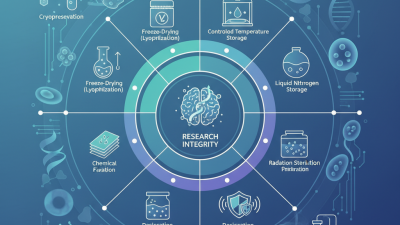
One useful approach is to apply normalization techniques. Normalization adjusts the data to reduce variability unrelated to biological differences. It ensures that the insights derived from the data are more reliable. Another vital aspect is documentation of every step. Recording procedures aids in reproducibility and enhances research integrity.
Lastly, collaboration is essential in bioinformatics. Engaging with experts can provide different perspectives on data interpretation. Their expertise can illuminate complex areas that may be challenging for a single researcher. Gathering diverse input strengthens the analysis and leads to deeper insights into genetic research.
High-throughput techniques have transformed genetic variant identification. These innovations enable researchers to analyze millions of DNA sequences rapidly. According to the 2023 Global Genomics Report, high-throughput sequencing now reduces costs by over 70% compared to traditional methods. This shift opens doors for more extensive population studies and personalized medicine.
One critical aspect of DNA analysis is variant calling. With algorithms like GATK and FreeBayes, researchers can identify single nucleotide polymorphisms (SNPs) and small insertions or deletions. A recent study found that utilizing high-throughput techniques led to a 50% increase in variant discovery rates. However, researchers must consider the associated false positive rates, which can be as high as 15% in specific genomic regions.
Data integration is another challenge. Combining results from different high-throughput platforms can lead to inconsistencies. Researchers must continuously refine their workflows. A careful approach can significantly enhance data reliability. Implementing robust quality control measures is essential to tackling the limitations inherent in high-throughput sequencing. Addressing these issues fosters more accurate genetic insights, ultimately benefiting healthcare advancements.
DNA analysis plays a critical role in both clinical and research settings. By understanding the interpretation of results, professionals can unlock valuable insights. Accurate interpretation guides treatment decisions in medicine. In research, it helps reveal genetic influences on health conditions.
Clinical applications demand a high level of expertise. Healthcare providers must be skilled in deciphering complex genetic data. They face challenges in ensuring that results are understood by patients. Misinterpretation can lead to unnecessary anxiety or false reassurance. Ethical considerations also complicate this process.
In research, the focus shifts toward broader implications. Scientists analyze patterns that may indicate disease susceptibility. Yet, the complexity of genetic data can be daunting. Researchers often grapple with the limitations of existing models. It is essential to interpret findings cautiously. Collaborative discussions can enhance the relevance and accuracy of conclusions. This highlights the need for ongoing education in this rapidly evolving field.
This bar chart illustrates the frequency of different DNA analysis workflows commonly used in clinical and research applications. The data represents the popularity of each workflow based on studies and reports in the field.