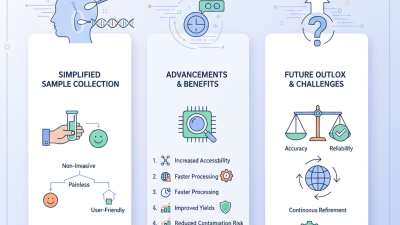
Buccal swab technology is transforming the way we collect DNA samples. This non-invasive method uses a simple swab inside the cheek to gather genetic material. Compared to traditional blood tests, it offers several advantages, including ease of use and comfort for patients.
The process of buccal swab technology involves gently rubbing a swab against the inner cheek. This collects epithelial cells containing DNA. This method is particularly useful in various fields, such as medical diagnostics, forensic science, and ancestry testing. Many people find it less intimidating than needles.
Despite its benefits, there are challenges to consider. Sample contamination can occur if proper protocols aren't followed. Additionally, not all DNA analysis tools may effectively utilize buccal samples. Refining techniques and ensuring accuracy remains vital for this technology’s future. Buccal swab technology shows promise while inviting ongoing discussion about best practices and innovations in genetic testing.
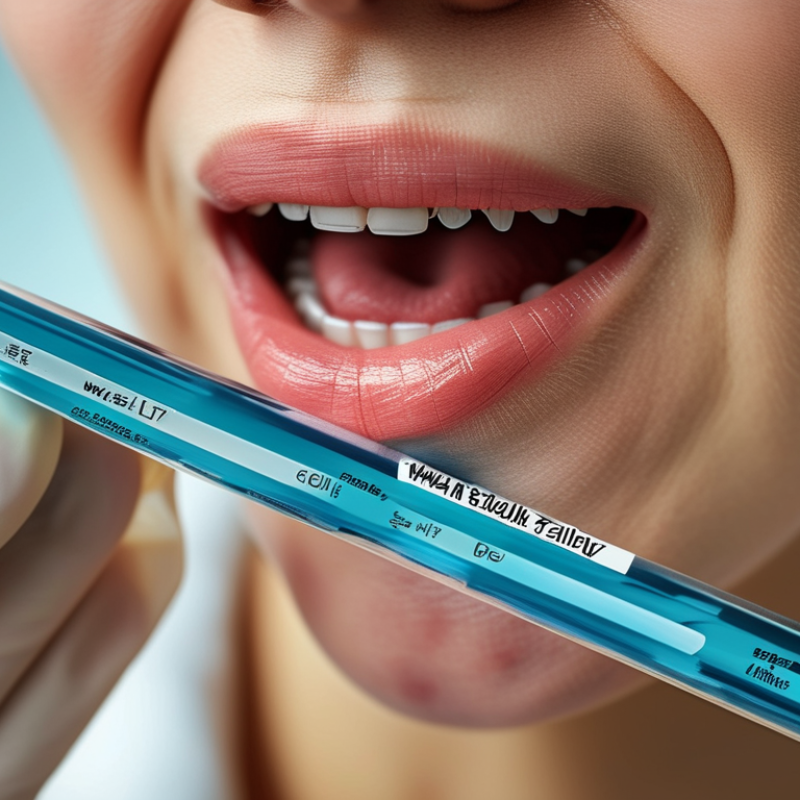
Buccal swab technology is an innovative method for collecting genetic samples. It involves taking a small swab from inside the cheek. This non-invasive technique is preferred for its simplicity and comfort compared to traditional blood tests. Users can easily perform the procedure at home or in a clinical setting, making it accessible to a wider audience.
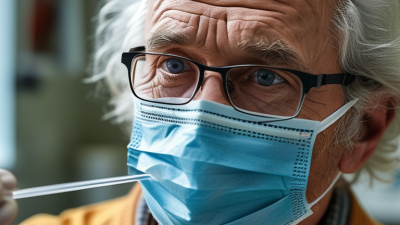
The swabbing process is straightforward. A small, soft sponge on a stick is rubbed against the inside of the cheek. This collects cells that contain DNA without any pain or special preparation. Once collected, the sample can be sent to a laboratory for analysis. Buccal swabs are invaluable in various fields, from ancestry research to medical diagnostics. The accuracy of the results often depends on how well the sample is collected.
Despite its advantages, there are shortcomings. Not all buccal swabs yield sufficient DNA for analysis. Factors like the timing of swabbing and individual differences can impact quality. Users sometimes report difficulties in obtaining a sample, which can lead to frustration. Reflection on these challenges is essential for improving future applications of this technology.
| Feature | Description |
|---|---|
| Definition | A non-invasive method of collecting DNA samples from the inside of the cheek. |
| Procedure | Involves rubbing a soft, sterile swab against the buccal mucosa to collect epithelial cells. |
| Advantages | Painless, quick, and easy to administer; no risk of contamination from blood. |
| Applications | Genetic testing, paternity tests, forensic analysis, and medical diagnostics. |
| Storage | Samples can be stored at room temperature and are stable for extended periods. |
| Limitations | Not suitable for all types of genetic analysis; lower yield compared to blood samples. |
The buccal swab technology has transformed sample collection in various fields, particularly in genetics and forensics. The methodology traces its roots back to the late 1980s when researchers sought a non-invasive way to collect DNA. Initial methods were labor-intensive and relied heavily on blood draws. Over time, buccal swabs emerged as a more accessible alternative. Studies show that buccal swabs can yield adequate DNA samples for analysis, with an 85% success rate in obtaining usable genetic material.
In recent years, advancements in buccal swab methodology have focused on improving efficiency and accuracy. Techniques such as optimized swab designs enhance the collection process. Research indicates that swabs made of various materials, like nylon or rayon, can impact DNA yield significantly. A review published in the Journal of Forensic Sciences noted that the choice of swab type could increase DNA recovery rates by more than 30%. These developments underline the importance of continuing to refine sample collection techniques to ensure reliability.
Despite its advantages, buccal swab technology is not without challenges. Factors like the sample's storage conditions and the time elapsed before analysis can influence results. Addressing these shortcomings is crucial for enhancing the reliability of this method. Ongoing research aims to uncover the best practices for sample handling and processing, ensuring that buccal swab technology can be trusted in critical applications across various sectors.
Buccal swabs are a non-invasive method for collecting DNA from the inside of the cheek. To collect a sample, a soft swab is gently rubbed against the mucosal surface. This process captures epithelial cells, which contain the DNA needed for analysis. Buccal swabs are favored for their simplicity and minimal discomfort. They allow for easy collection in various settings, from medical appointments to home testing.
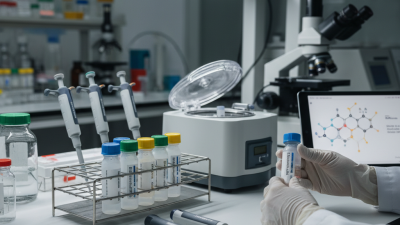
Once collected, the swab is typically placed in a sterile container to prevent contamination. The sample is then processed in a laboratory. Technicians extract DNA from the epithelial cells, which involves breaking down the cell membranes. This step must be done carefully to ensure DNA integrity. The quality of the sample can impact results. Sometimes, user error during collection can lead to inadequate DNA yield. Proper technique is crucial for reliable analysis.
While the technology is largely effective, it is not without limitations. Various factors, such as the timing of collection or the individual’s oral hygiene, can affect the amount and quality of DNA retrieved. Consistency in collection techniques is vital for researchers and medical professionals. Buccal swab technology continues to offer promise, but further refinement and education on proper collection methods are needed for optimal outcomes.
This chart illustrates the DNA yield obtained from five different buccal swab samples. The data shows variability in DNA concentration, which can influence the reliability of genetic testing results.
Buccal swab technology has gained traction in medical diagnostics. This non-invasive method involves collecting cells from the inner cheek. The process is simple and quick, making it accessible for various applications. Samples are collected using a soft swab, allowing for easy handling. This method reduces discomfort compared to traditional blood draws.
One prominent application is genetic testing. Buccal swabs can efficiently retrieve DNA, allowing for genetic screening. This is vital for identifying hereditary conditions. Additionally, disease detection is becoming easier with advances in buccal swab technology. For instance, some tests identify infections or pathogens, providing rapid results.
However, challenges remain. The accuracy of buccal swab collection can vary. Environmental factors and improper techniques may affect test results. Proper training and standard protocols are essential to ensure reliable outcomes. Scientists continually seek to improve collection methods, aiming for higher accuracy and reliability. This ongoing effort reflects the evolving nature of medical diagnostics.
Buccal swab testing has gained popularity, especially in DNA testing and medical diagnostics. One significant advantage is its non-invasive nature. Buccal swabs collect cellular material from the inside of the cheek. This method is easier and more comfortable than blood draws. According to a study by the National Institutes of Health, buccal swabs can effectively collect DNA with a success rate exceeding 95%.
However, there are limitations. The amount of DNA collected may vary among individuals. Factors such as age, hydration levels, and health conditions can influence the yield. In some cases, lower DNA concentration can complicate testing. A report from the Journal of Clinical Pathology noted that buccal swabs provide less consistent results for certain genetic markers compared to blood samples. This inconsistency raises concerns about reliability in specific applications, such as forensics or detailed genetic analysis.
Additionally, contamination is a potential risk. Swabs can pick up bacteria or other foreign substances from the mouth. This leads to false positives or inconclusive results in sensitive tests. While buccal swabs offer a promising alternative, it's crucial to weigh these factors against their benefits. Making informed decisions relies on understanding both the advantages and drawbacks of this technology.