Choosing the right DNA extraction technology can determine whether a laboratory receives clean, usable genetic data or a disappointing result. Global buyers face different sample types, regulations, budgets, and operating conditions. Blood, saliva, plant tissue, soil, and formalin-fixed samples do not behave alike. Each demands a different balance of purity, yield, speed, automation, and safety.
As genomics pioneer Dr. George Church has emphasized, “The quality of the data depends on the quality of the sample.” This practical idea guides our review of ten leading extraction technologies. Silica columns offer familiar workflows and controlled costs. Magnetic beads support automation and flexible throughput. Organic extraction can deliver strong purity, but it usually requires more handling. Microfluidic systems reduce reagent use, while enzymatic and cartridge-based methods simplify field testing. No platform wins everywhere.
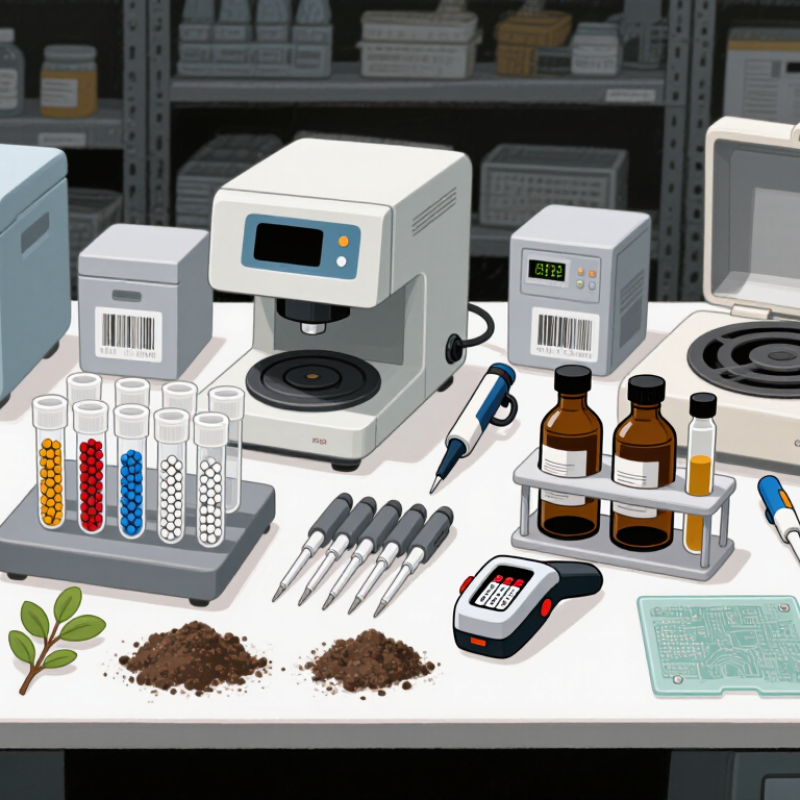
Real purchasing decisions are less tidy. A high-yield system may produce inhibitors. A fast kit may sacrifice recovery from difficult tissue. An automated instrument may become inefficient for small batches. These compromises matter. They appear beside cold storage units, pipette racks, barcode labels, and crowded benches.
This guide compares the ten technologies through practical buyer criteria, including sample compatibility, extraction time, consumable costs, scalability, maintenance, and reproducibility. It also considers regional supply support and laboratory training needs. Some performance claims still depend heavily on sample preparation and operator skill. That limitation deserves attention, not marketing language. The best choice is therefore not the newest system. It is the technology that remains reliable under real working conditions.
DNA extraction technology converts biological material into purified DNA for diagnostics, research, agriculture, and quality control. The purpose is not merely to obtain DNA. It is to produce nucleic acid with suitable purity, integrity, and concentration for the next test. A blood tube, cheek swab, plant leaf, or microbial sample can require different preparation. The sample matrix matters greatly.
Most extraction workflows follow four principles: cell lysis, contaminant removal, DNA binding, and elution. Lysis opens cells and releases genetic material. Binding captures DNA on a solid surface or within a chemical phase. Washing removes proteins, salts, pigments, and other inhibitors. Elution then releases DNA into a clean buffer. Some methods use silica surfaces, magnetic particles, precipitation, or organic separation. Each approach creates trade-offs.
Global buyers should assess yield, purity, processing time, throughput, reagent stability, and operator safety. Compatibility with existing equipment is equally important. A reliable system should provide clear instructions, quality controls, traceable records, and repeatable results across sample types. Independent verification with spectrophotometry, fluorometry, or downstream amplification can reveal hidden inhibitors. High yield is not always better.
That assumption fails.
Automation may reduce manual variation, but it cannot correct poor sampling or weak storage conditions. Buyers should request validation data, realistic performance limits, and documented maintenance needs. Local transport conditions and regulatory requirements also deserve careful review. No extraction method performs perfectly for every specimen. That limitation should remain visible during procurement.
DNA Extraction Technology: Purpose, Principles, and Core Requirements
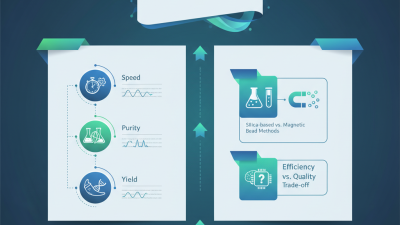
The chart compares representative total processing times for standard laboratory workflows. Lower values indicate faster turnaround. Actual time, yield, purity, and scalability vary with sample type, protocol design, automation level, and quality-control requirements.
Ten leading DNA extraction technologies differ in how they break cells, remove contaminants, and capture nucleic acids. Organic extraction uses phenol–chloroform partitioning, producing clean DNA but requiring careful solvent handling. Silica-column extraction binds DNA to membranes in high-salt conditions. Magnetic-bead extraction uses charged particles and magnets for rapid washing. Solid-phase reversible immobilization, or SPRI, adjusts salt and polyethylene-glycol levels to capture DNA. CTAB extraction works well with polysaccharide-rich plants. Salting-out removes proteins without organic solvents. Chelex resin protects DNA during simple heating workflows. Alkaline lysis suits many bacterial samples. Enzymatic extraction uses proteases to digest proteins. Microfluidic systems combine lysis, capture, washing, and elution in compact channels.
The market is moving toward automation. Grand View Research estimated the global nucleic-acid isolation and purification market at about USD 4.2 billion in 2023, with continued growth expected through 2030. This reflects practical pressure: laboratories need consistent yields, fewer transfers, and shorter hands-on time. Magnetic systems support these goals, while silica methods remain attractive for cost control and broad compatibility. The choice is never purely technical.
Sample type decides the outcome. Plant tissue can clog a membrane. Low-copy samples may lose DNA during extra washing. Long fragments can shear during vigorous mixing. High yield can still fail downstream. The most reliable workflow matches chemistry, equipment, fragment length, and validation data. WHO’s Laboratory Biosafety Manual, fourth edition, also emphasizes controlled procedures, traceability, and contamination prevention during laboratory work.
| Rank | Technology | How It Works | Typical Sample Types | Typical DNA Yield | DNA Quality and Integrity | Typical Processing Time | Throughput Potential | Main Advantages | Main Limitations | Best-Fit Purchasing Scenario |
|---|---|---|---|---|---|---|---|---|---|---|
| 1 | Silica Membrane Spin-Column Extraction | Chaotropic salts release DNA from cells and promote binding to a silica membrane. Wash buffers remove proteins, salts, and inhibitors, followed by elution with low-salt buffer or water. | Whole blood, buccal swabs, tissue, cultured cells, plant material, and many clinical samples. | Approximately 1–30 µg per preparation, depending on sample input and protocol. | Usually clean DNA with an A260/A280 ratio near 1.8; generally suitable for PCR, sequencing, and genotyping. | 20–60 minutes per batch, excluding sample lysis time. | Low to medium manually; medium to high when integrated with vacuum or centrifuge automation. | Consistent results, broad sample compatibility, simple workflow, and widely standardized protocols. | Spin-column clogging can occur with viscous or particulate samples; centrifugation or vacuum equipment may be required. | Routine laboratory testing, research laboratories, and moderate-volume molecular workflows. |
| 2 | Paramagnetic Magnetic-Bead Extraction | DNA binds to functionalized magnetic particles in the presence of binding salts or polyethylene glycol. A magnet immobilizes the particles during washing, and DNA is released during elution. | Blood, saliva, swabs, tissue, environmental samples, plant material, and viral or microbial samples. | Approximately 0.1–50 µg per preparation; high-molecular-weight formats can produce more when sample input is increased. | Good purity and scalability; gentle mixing can preserve long DNA fragments. Performance depends strongly on bead chemistry and wash efficiency. | 20–90 minutes, depending on lysis and the number of wash steps. | High to very high; compatible with robotic platforms and multiwell plates. | No centrifugation or vacuum manifold is normally required; flexible volume range and easy automation. | Higher consumable cost than basic precipitation methods; bead carryover and incomplete washing may inhibit downstream reactions. | High-throughput laboratories, diagnostic production, biobanks, and automated sample-preparation lines. |
| 3 | Phenol–Chloroform Organic Extraction | Cell lysate is mixed with organic solvents. Proteins and lipids partition into the organic phase or interphase, while DNA remains in the aqueous phase and is then precipitated with alcohol and salt. | Tissue, cultured cells, bacteria, plants, fungi, and samples requiring strong deproteinization. | Approximately 10–500 µg per preparation, depending on biomass and protocol scale. | Can produce very high-molecular-weight DNA and high yields when carefully handled; residual solvent can reduce purity. | 1–4 hours, including lysis, phase separation, precipitation, and drying. | Low to medium; manual handling is labor-intensive and difficult to automate safely. | High yield, strong removal of proteins and lipids, and useful for difficult or large samples. | Toxic and hazardous solvents, fume-hood requirements, multiple transfers, and operator-dependent consistency. | Specialized research, long-read sequencing, and laboratories prioritizing maximum molecular integrity over speed. |
| 4 | CTAB-Based Plant DNA Extraction | Cetyltrimethylammonium bromide forms complexes with nucleic acids and helps remove polysaccharides. Salt concentration, reducing agents, and alcohol precipitation are used to separate DNA from plant contaminants. | Leaves, seeds, roots, fruits, wood, plant pathogens, and other polysaccharide-rich materials. | Approximately 5–200 µg per gram of fresh plant tissue, with substantial variation by species and tissue type. | Good integrity when tissue is fresh and grinding is controlled; purity can be affected by polyphenols and polysaccharides. | 1.5–4 hours, including grinding, incubation, extraction, and precipitation. | Low to medium; suitable for batch processing but usually requires manual or semi-automated handling. | Effective for difficult plant matrices and relatively economical at larger sample volumes. | Long workflow, potential carryover of CTAB or plant inhibitors, and frequent need for protocol optimization. | Agricultural genomics, plant breeding, botanical research, and environmental plant surveys. |
| 5 | Salting-Out DNA Extraction | High concentrations of salt precipitate proteins and other contaminants after cell lysis. DNA remains in solution and is recovered by alcohol precipitation. | Whole blood, buccal cells, cultured cells, and many animal tissues. | Approximately 5–100 µg per preparation, depending on the number of cells and sample volume. | Usually suitable for PCR and genotyping; residual salt or protein can affect sensitive applications. | 1–3 hours, including lysis, protein precipitation, DNA precipitation, and rehydration. | Medium; can be performed in tubes or plates but involves several liquid-transfer steps. | Low reagent cost, no hazardous organic solvents, and good performance for routine genomic DNA. | Slower than solid-phase methods; salt carryover and large DNA pellets can make resuspension difficult. | Budget-sensitive laboratories and medium-throughput genomic DNA projects. |
| 6 | Anion-Exchange Resin Extraction | Negatively charged DNA binds to positively charged resin under low-salt conditions. Proteins and RNA are removed, and DNA is eluted by increasing salt concentration before desalting or precipitation. | Plasmid DNA, bacterial lysates, genomic DNA, and samples requiring low-shear purification. | Approximately 1–500 µg per preparation, depending on resin capacity and sample scale. | High-purity DNA with good integrity; commonly useful for transfection, sequencing, and restriction analysis when properly desalted. | 45 minutes–3 hours, depending on sample type and desalting method. | Medium; scalable in columns but less convenient than magnetic particles for very large sample numbers. | High binding selectivity, low mechanical stress, and strong performance for plasmid preparations. | Sensitive to salt and pH conditions; additional desalting is often necessary before downstream reactions. | Molecular biology laboratories handling plasmids or high-quality DNA for demanding downstream applications. |
| 7 | Cellulose Membrane or Filter-Paper Capture | DNA is immobilized on cellulose or a cellulose-based membrane after chemical lysis. Washing removes inhibitors, while heat, alkaline buffer, or low-salt buffer releases DNA when required. | Buccal swabs, blood spots, plant samples, microbial colonies, and field-collected specimens. | Usually low to moderate, approximately 10 ng–10 µg per sample. | Adequate for PCR and short-amplicon testing; less suitable for maximum-yield or long-fragment applications. | 5–45 minutes, depending on whether DNA is analyzed directly on the membrane or eluted. | High; inexpensive formats can support large numbers of samples and field collection. | Low equipment requirement, low shipping burden, simple storage, and suitability for decentralized sampling. | Limited yield, possible PCR inhibitors, and reduced suitability for whole-genome or long-read workflows. | Field surveillance, teaching laboratories, low-resource settings, and sample transport programs. |
| 8 | Chemically Treated Paper Matrix | A treated paper matrix lyses cells and binds nucleic acids while reducing nuclease activity and microbial growth. A small punched disc can be washed and used directly or eluted for amplification. | Blood, saliva, buccal cells, animal samples, microbial material, and forensic collection specimens. | Typically 1–100 ng recoverable DNA per punch, depending on sample loading and elution conditions. | Designed mainly for amplification-based testing; not generally intended for high-yield, high-molecular-weight DNA recovery. | 5–30 minutes for direct or rapid preparation. | Very high for collection and storage; laboratory processing can be performed in multiwell formats. | Room-temperature sample preservation, simplified logistics, low biosafety burden, and minimal equipment. | Low DNA recovery, possible inhibitors, and limited compatibility with applications requiring large quantities of intact DNA. | Forensic screening, epidemiological surveys, remote sampling, and long-distance specimen transport. |
| 9 | Hydroxyapatite Chromatography | DNA phosphate groups interact with calcium ions in hydroxyapatite. Controlled phosphate concentration or pH changes separate DNA from proteins, RNA, and other contaminants. | Genomic DNA, plasmids, viral nucleic acids, and samples requiring specialized fractionation. | Approximately 1–100 µg per column-scale preparation, depending on column capacity and sample input. | High selectivity and good purity; DNA integrity is generally preserved when flow and salt conditions are controlled. | 1–4 hours, including equilibration, loading, washing, elution, and desalting. | Low to medium; more common in specialized or preparative workflows than routine high-throughput testing. | Strong separation capability and useful fractionation of different nucleic-acid populations. | Requires chromatography equipment, careful buffer control, and a downstream desalting step. | Specialized purification, analytical research, and preparative workflows where selectivity is important. |
| 10 | Microfluidic Solid-Phase Extraction | Miniaturized channels combine cell lysis, DNA binding to a packed or coated solid phase, washing, and elution in a small disposable cartridge. | Blood, saliva, swabs, environmental samples, and other low-volume specimens. | Typically nanogram to low-microgram quantities, depending on channel capacity and sample volume. | Suitable for PCR and targeted molecular testing; DNA quantity and fragment size are constrained by the small format. | 5–30 minutes for an integrated workflow, depending on cartridge design and lysis requirements. | High for decentralized testing and parallel cartridge systems; platform-dependent for large batch sizes. | Low reagent consumption, small footprint, rapid processing, and potential for sample-to-answer integration. | Higher instrument-development cost, limited sample capacity, and possible clogging or channel-to-channel variation. | Point-of-care testing, portable instruments, decentralized laboratories, and rapid field diagnostics. |
Note: Yield, purity, processing time, and throughput figures are representative research-use ranges. Actual performance varies with sample type, input amount, lysis chemistry, operator technique, and instrument configuration.
10 Best DNA Extraction Technologies for Global Buyers
Comparing Speed, Purity, Yield, Cost, and Scalability
For global buyers, DNA extraction is less about choosing the newest instrument than matching chemistry to the sample. Ten widely used options include silica spin columns, magnetic beads, organic solvent extraction, salting-out, CTAB, anion-exchange membranes, cellulose filters, enzymatic lysis, microfluidic cartridges, and direct lysis. Silica columns usually provide clean DNA at moderate cost, but centrifugation can limit automation. Magnetic beads support closed, scalable workflows with short hands-on time. Reagent costs may increase quickly.
Organic solvent extraction can deliver high yield, but it requires careful handling and longer processing. Salting-out is affordable and avoids some hazardous reagents, though protein removal may be inconsistent. CTAB performs well with plant samples containing polysaccharides, while anion-exchange membranes can produce highly pure DNA for demanding downstream tests. Purity matters.
Cellulose filters reduce equipment needs and suit field settings, but their yield may vary with sample quality. Enzymatic lysis is gentle and useful for difficult cells, yet incubation can slow production. Microfluidic cartridges offer excellent speed and low reagent use, but limited capacity raises the cost per sample. Direct lysis is the fastest option for screening, although inhibitors may remain.
When comparing suppliers, buyers should request measured yield, A260/280 and A260/230 ratios, processing time, failure rates, and stability data. A low purchase price can hide expensive labor or repeated tests. Scalability also depends on local power, cold-chain access, waste procedures, and operator training. My practical concern is often overlooked: one protocol rarely fits every region or specimen. Real samples are messier than validation charts.
The best DNA extraction technology depends on the sample, not only the instrument price. For whole blood and saliva, silica-column purification offers consistent results with simple handling. Magnetic-bead extraction suits higher throughput and automated workflows. It also reduces repeated centrifugation steps. For fresh tissue, bead beating with enzymatic lysis can improve cell disruption, although excessive force may fragment DNA.
Plant samples often contain polysaccharides and polyphenols. CTAB-based extraction can remove these inhibitors effectively, but it requires careful reagent preparation. Soil and sediment need strong lysis, inhibitor removal, and sometimes density-based separation. Environmental laboratories may combine mechanical disruption, chemical lysis, silica membranes, or magnetic particles. No method performs perfectly across every matrix.
Archived tissue, including paraffin-embedded material, usually needs deparaffinization and gentle purification. Organic extraction can produce high-molecular-weight DNA from difficult samples, but it involves longer processing and stricter safety controls. Salting-out methods are economical for routine biological specimens, while direct lysis may work for rapid screening. Microbial samples can benefit from enzymatic pretreatment before column or bead purification. My experience suggests that yield alone is a weak buying metric. Purity ratios, fragment size, inhibitor carryover, operator training, and waste disposal often matter more. A method that looks efficient on paper may disappoint when samples arrive wet, degraded, or heavily contaminated. Small pilot tests remain essential.
For global buyers, the “best” DNA extraction technology depends on sample type, throughput, and local compliance. Compare silica columns, magnetic beads, organic extraction, salting-out, CTAB, cellulose membranes, enzymatic lysis, microfluidic cartridges, SPRI-style purification, and automated platforms. Magnetic beads suit robotic workflows, while organic methods can demand stricter chemical handling controls. Small details matter: a supplier should state expected yield, purity ratios, inhibitor removal, input volume, and processing time.
Check supplier documentation before evaluating price. Request lot traceability, certificates of analysis, stability data, transport conditions, and change-control procedures. ISO 20395:2019 emphasizes validated quantitative biotechnology processes, supporting evidence-based method selection.
The WHO Laboratory Biosafety Manual, fourth edition, also stresses risk assessment, containment, training, and documented procedures. Support must include troubleshooting for low yield, fragmented DNA, and clogged membranes. Ask for response times in writing. Silence is data.
Market context deserves caution. Grand View Research valued the global nucleic acid isolation and purification market at approximately USD 4.3 billion in 2022 and projected an 8.7% CAGR from 2023 to 2030. Growth does not guarantee consistent quality.
An OECD good laboratory practice review can strengthen supplier assessment, especially for records, equipment qualification, and personnel competence. Still, certifications may cover a facility, not every extraction kit. I would test three production lots, include difficult specimens, and retain raw performance records. That extra step feels slow. It often prevents expensive surprises.