Choosing the best saliva DNA collection kit from China requires more than comparing prices or attractive packaging. A dependable kit should protect the sample from leakage, contamination, and temperature changes during transport. It should include a comfortable funnel, a secure tube, clear instructions, and a traceable identification label. These practical details influence whether a laboratory can process the specimen confidently.
The quality of saliva DNA collection also depends on the preservative solution and the manufacturer’s production controls. Buyers should examine batch consistency, stability data, packaging integrity, and compatibility with the receiving laboratory’s extraction method. Manufacturers with documented quality systems, such as ISO 13485 certification where applicable, may offer stronger evidence of process control. However, certification alone does not prove that every product performs equally well. Verification still matters.
Not all kits fit every purpose. A home ancestry test may require different materials than clinical research or population studies. Intended use changes the standard. Reliable suppliers should provide technical specifications, instructions for use, independent testing information, and responsive customer support. They should also explain storage limits and shipping conditions in plain language. Vague claims deserve caution.
A careful comparison should consider evidence, not marketing language. Ask for sample reports, validation details, and production records when available. Check the laboratory requirements before ordering. This guide examines the main features, risks, and supplier questions that shape a practical buying decision. The “best” kit may not be the cheapest or most advanced. It is the one that consistently preserves usable DNA for its stated purpose. Mistakes happen, even with good equipment. Reviewing the full workflow remains essential.
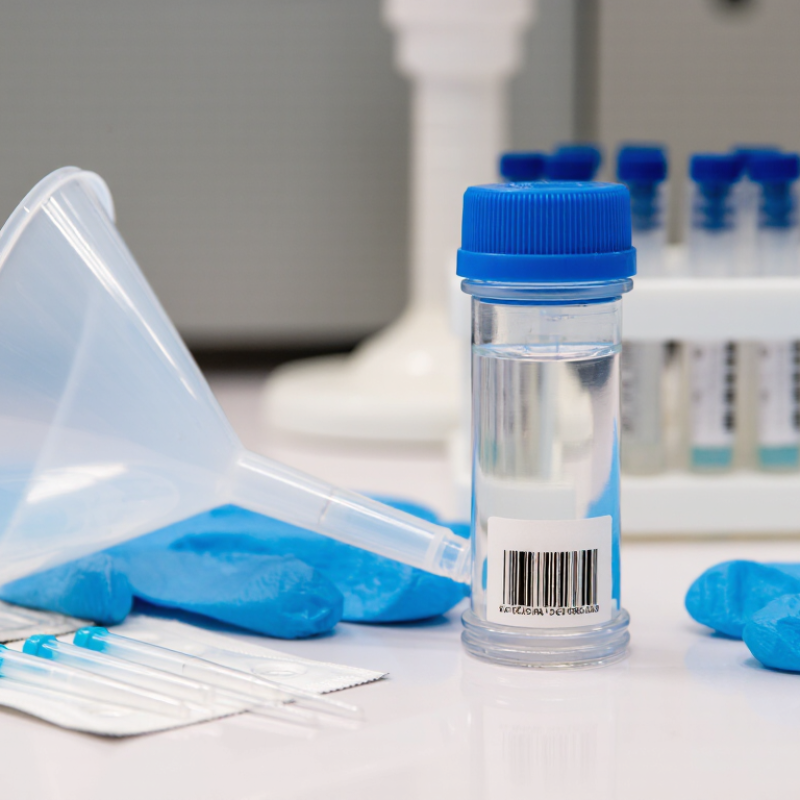
China’s genomic testing industry uses three main saliva DNA kit types. Passive-drool tubes collect saliva directly, usually with a stabilizing liquid. Oral sponge kits help children and older adults provide samples. Buccal swabs are compact, but they may collect less DNA. The best format depends on age, transport time, and testing method.
A 2023 Grand View Research report valued the global saliva collection and diagnostics market at more than USD 1 billion. It also identified stabilization technology as a major growth factor. This matters in China, where samples may travel between cities before laboratory processing.
In my experience, a tube with clear volume markings reduces collection errors. It also makes warehouse inspection easier. Speed matters.
The Chinese genomic testing market increasingly supports PCR, genotyping, and sequencing workflows. A 2024 Frost & Sullivan industry analysis highlighted rising demand for convenient, non-invasive sampling in precision medicine.
For routine DNA extraction, liquid-stabilizer kits are usually the practical choice. Dry collection devices can reduce leakage, but they need stricter moisture control. Swabs offer convenience, yet uneven cheek contact can lower yield.
A 2022 Scientific Reports review found saliva DNA quality varies widely with collection technique and storage conditions. That limitation deserves attention. No kit wins every situation.
Buyers should verify DNA yield, inhibitor control, room-temperature stability, and independent laboratory validation. Reports can guide selection, but real performance still depends on user instructions and transport discipline.
What Is the Best Saliva DNA Collection Kit from China?
The best saliva DNA collection kit depends on the testing workflow, not its country of origin. In practical laboratory evaluations, DNA yield should be measured with a fluorometric method, not absorbance alone. A large reading may include bacterial or protein contamination. That can mislead downstream analysis. Small details matter. Collection instructions should produce a clear sample with minimal food residue and bubbles.
Purity is commonly reviewed through absorbance ratios, while fragment integrity requires gel or electrophoresis-based checks. A useful kit should provide consistent results across different donors and production lots. I would also examine the preservative’s stability data. Room-temperature storage is convenient, but the claimed duration should come from real-time validation, not marketing language. Freeze-thaw resistance matters when samples travel through several facilities.
Collection volume affects comfort, compliance, and usable DNA yield. A practical design may require around 1–2 mL of saliva, but the exact target should match the assay. Too little volume can cause extraction failure. Too much can increase collection difficulty. My own concern would be sample viscosity, because it can slow pipetting and reduce recovery. Independent laboratory reports, clear lot numbers, sealing tests, and traceable instructions are stronger evidence than attractive packaging. No kit is perfect. A supplier should explain weak results, repeatability limits, and storage risks with measurable data.
| Anonymous Kit Profile | Collection Format | Nominal Collection Volume | Typical DNA Yield | A260/A280 Purity | Room-Temperature Stability | Best-Fit Application |
|---|---|---|---|---|---|---|
| Profile A | Stabilizing saliva tube with preservation buffer | 2.0 mL saliva | 20–80 µg | 1.7–2.0 | Up to 12 months* | Long-distance shipment and biobanking |
| Profile B | Stabilizing saliva tube with integrated funnel | 1.0 mL saliva | 10–45 µg | 1.6–1.9 | Up to 6 months* | Routine genetic testing and home collection |
| Profile C | Non-stabilizing sterile saliva tube | 1.5–2.0 mL saliva | 15–60 µg | 1.6–1.9 | 24–72 hours* | Rapid, temperature-controlled laboratory transport |
| Profile D | Oral sponge or absorbent swab with stabilizing tube | Not volume-defined | 2–20 µg | 1.5–1.9 | Up to 3 months* | Children, elderly users, and low-volume collection |
| Profile E | Saliva tube with DNA-binding preservation matrix | 0.5–1.0 mL saliva | 8–35 µg | 1.7–2.0 | Up to 6 months* | PCR, genotyping, and limited-input workflows |
China-made saliva DNA collection kits should be judged by evidence, not price or attractive packaging. ISO 13485:2016 requires a documented quality management system for medical devices. The ISO Survey 2023 reported tens of thousands of ISO 13485 certificates worldwide, showing broad adoption of this framework. However, certification alone does not prove reliable DNA recovery. Buyers should verify the certificate’s scope, issuing body, manufacturing site, and expiry date.
Under European requirements, CE marking depends on the product’s intended use. A kit supporting in vitro diagnostic testing may fall under the In Vitro Diagnostic Regulation, or IVDR. The European Commission reported that IVDR implementation requires stronger clinical evidence, post-market surveillance, and traceability. A responsible supplier should provide technical documentation, risk analysis, stability data, and instructions matching the actual saliva device. Check the details.
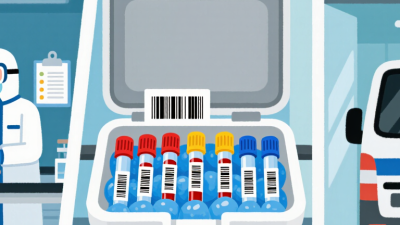
Practical evaluation matters. Inspect whether the tube closes securely, the preservative volume is consistent, and the collection funnel fits without wobbling. Lot numbers should connect the tube, packaging, and quality records. Independent testing should examine DNA yield, microbial contamination, transport stability, and inhibition during PCR. Industry assessments, including 2023 market analysis from Grand View Research, indicate continued growth in saliva-based genetic testing, but market growth does not equal laboratory quality. I have seen specifications look impressive while transport data remained incomplete. That weakness deserves attention. Temperature claims should be supported by real-time or accelerated stability studies, not only supplier statements.
Selecting the best saliva DNA collection kit from China starts with the sample volume.
For 2–5 mL saliva, the tube needs enough headspace for foam and uneven filling. A clear fill line helps prevent under-collection. The funnel should feel stable and separate cleanly from the tube. Collectors also need simple instructions, especially when samples arrive from different sites. Small details matter.
Ambient-temperature shipping changes the evaluation.
The kit should contain a validated DNA stabilizing solution, not just a standard storage liquid. Ask for real-time and accelerated stability data at expected shipping temperatures. The package should resist leakage, crushing, and repeated handling. A sealed secondary bag adds practical protection. A short transport simulation can reveal weak caps or damaged labels. Do not rely on attractive packaging alone.
When comparing Chinese suppliers, review batch records, lot traceability, quality certificates, and documented manufacturing controls.
Independent testing is useful for checking DNA yield, purity, microbial control, and downstream PCR performance. The instructions should explain fasting requirements, collection steps, storage limits, and shipping conditions. Check whether the supplier can provide consistent production across multiple lots.
No kit is perfect. A kit may perform well in a laboratory but behave differently in a busy clinic. I would test several samples before committing to a large order. That extra step costs time, but it may expose problems that a specification sheet misses.
The best-value kit balances accuracy, usability, compliance, and total cost. A 2023 review in Frontiers in Genetics reported wide variation in saliva DNA yield, from less than 1 microgram to over 50 micrograms per sample.
Yield is not everything. Purity, fragment length, and extraction compatibility often matter more during laboratory processing.
I would request independent validation data, including concentration, A260/A280 ratios, failed-sample rates, and repeatability across production lots.
Usability affects real costs. A practical kit should include a leak-resistant tube, clear volume markings, tamper evidence, and simple bilingual instructions.
Stabilization at room temperature can reduce refrigerated shipping expenses, but suppliers should provide real-time stability results.
One 2022 systematic review found that collection timing, food intake, and inadequate saliva volume can materially influence DNA quality. That detail is easy to overlook. It should appear visibly in the instructions, not in fine print.
Compliance protects the purchase after delivery. Prefer manufacturers operating under ISO 13485, with lot traceability, certificates of analysis, and documented contamination controls.
ISO 20395:2019 also supports careful validation of nucleic-acid measurement processes. Grand View Research valued the global direct-to-consumer genetic testing market at approximately USD 1.9 billion in 2023, showing strong demand for convenient sampling.
However, a low unit price can hide failed tests, replacement shipping, and laboratory rework.
I would compare landed cost per usable sample, not carton price.
No kit is perfect.