Why Is Genetic Sampling Technology Important for Buyers?

Buying biological testing services is not simply a matter of choosing the fastest laboratory. Buyers need confidence that each result reflects the sample, the method, and the people handling it. Genetic sampling technology helps create that confidence by supporting consistent collection, secure labeling, controlled transport, and traceable analysis. A properly collected swab, blood tube, or tissue sample can protect an entire purchasing decision from avoidable uncertainty.

For buyers, evidence matters more than impressive claims. They should examine laboratory accreditation, validation records, detection limits, quality controls, and reporting procedures. They should also ask how samples are stored, who can access genetic data, and whether informed consent and privacy safeguards are clearly addressed. These details may feel routine. They are not. A broken seal, unclear barcode, or delayed shipment can weaken an otherwise credible result.

No system is perfect. Even advanced genetic sampling technology cannot correct a contaminated sample or an unsuitable testing plan. Buyers should compare technical performance with practical experience, including case studies, staff expertise, and independent quality reviews. A reliable provider explains limitations instead of promising certainty. That honesty is valuable. It helps buyers identify meaningful results, manage risk, and avoid paying for information that cannot support a sound decision. In the end, responsible purchasing depends on transparent methods, qualified professionals, and evidence that can be reviewed long after the report arrives.

Why Is Genetic Sampling Technology Important for Buyers?

What Genetic Sampling Technology Includes: Collection, Extraction, and Analysis

Genetic sampling technology covers more than a swab or saliva tube. It includes collection, DNA extraction, and analysis, with quality checks linking each step. Collection methods differ by purpose: a cheek swab is simple to handle, while blood collection may suit workflows requiring more DNA. Clear labels, dry packaging, and recorded collection times help prevent mix-ups. Small details matter.

Extraction separates DNA from cells and other material. Technicians check concentration and purity before analysis; too little DNA or contamination can affect results. The National Human Genome Research Institute’s DNA Sequencing Costs database tracks a steep decline in sequencing costs, from about $100 million per human genome in 2001 to around $600 by 2023. That figure reflects sequencing technology, not the full cost of collection, extraction, interpretation, or follow-up. Buyers should ask what the quoted workflow includes.

Analysis converts sequencing data into findings, often by comparing DNA reads with a reference and assessing selected variants. Reports should explain methods, limitations, and whether findings require confirmation. A clean-looking result is not always a complete one. Sample quality can vary, and interpretation may change as scientific evidence grows. Buyers should review validation records, quality-control procedures, and the provider’s process for handling inconclusive samples.

Why Sample Quality Matters: DNA Integrity and Contamination Control

Genetic sampling technology is only as useful as the material it receives. DNA can degrade through heat, moisture, or long delays before processing. Damaged samples may produce incomplete or inconsistent results. A clean-looking tube proves little. Buyers should ask how a system protects samples from collection through storage, and what quality checks identify degraded material.

Contamination control matters just as much. Skin cells, dust, or residue from shared tools can introduce DNA that does not belong to the sample. Reliable workflows use clean handling procedures, separate work areas, and controls that help reveal contamination. Buyers can ask whether providers document sample transfers and explain how failed quality checks are handled. These details are less visible than equipment, but they affect confidence in the result. I would not treat a single advertised accuracy figure as enough; real performance depends on sample type and conditions.

Tips: Check collection instructions, storage limits, and contamination safeguards before buying. Ask for clear explanations of quality-control steps and sample rejection criteria. If answers feel vague, pause. A careful comparison now can prevent costly retesting later.

How NGS Costs Fell from $100 Million to Under $1,000 per Genome

Next-generation sequencing changed the economics of genetic sampling. The National Human Genome Research Institute’s DNA Sequencing Costs dataset tracks a fall from roughly $100 million per genome in the early 2000s to below $1,000 by 2014. That is striking. The curve reflects sequencing costs, not the full price of a clinical test.

For buyers, lower sequencing costs can mean broader testing options and shorter waits for results. But the instrument price is only part of the bill. Sample preparation, quality checks, data storage, and expert interpretation also affect the final cost. A quote that lists sequencing alone may not show the full picture. Ask what is included.

The same NHGRI data show that costs declined faster than Moore’s Law would predict, as sequencing methods and workflows improved. Buyers should compare turnaround time, coverage, accuracy, and support, not price alone. A very low quote deserves careful questions. Costs also vary by genome size and service scope, so a historical benchmark is not a current market price. The savings are real, but they do not make every result equally useful.

Why Is Genetic Sampling Technology Important for Buyers?

How the estimated cost of sequencing a human genome fell from about $100 million to below $1,000

Lower sequencing costs can make genetic testing more accessible and help buyers compare testing options. Figures are approximate historical benchmarks based on genome-sequencing cost trends tracked by the U.S. National Human Genome Research Institute. The 2015 bar uses $1,000 as an upper-bound marker for costs that had fallen below that level; it is not an exact price.

How 3 Billion Base Pairs Affect Accuracy, Coverage, and Buyer Choices

The human genome is often described as containing about 3 billion base pairs. That scale matters because a test must sample enough relevant DNA to support its claims. A small saliva sample travels through collection, extraction, and analysis, and quality can vary at each step. Poor sample quality may leave gaps or produce uncertain readings.

More data helps, but it does not guarantee a more useful result. Coverage describes how much of the target DNA is read, while depth indicates how many times a region is read. Uneven coverage can miss difficult regions, even when a report lists impressive totals.

Buyers should check which regions are assessed, how results are validated, and whether limitations are clearly explained. Numbers need context. A result may also be less informative when the tested variant is rare or the evidence is still developing.

Tips: Ask for a plain-language explanation of coverage and accuracy. Check whether the test reports uncertainty and what happens if a sample fails. Compare the method with your actual goal, not just the number of base pairs mentioned. I would not treat a larger number as proof of better quality; that shortcut is tempting, but incomplete.

Which Standards Protect Buyers: ISO 20387, CLIA, and Data Security

Why Is Genetic Sampling Technology Important for Buyers?

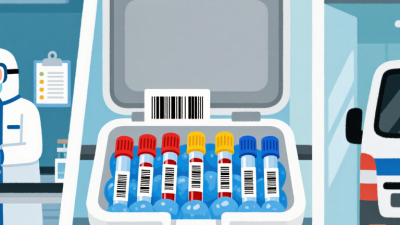
A genetic sample is only useful when its journey is controlled. ISO 20387:2018 sets requirements for biobank competence, impartiality, and consistent operation. Buyers should ask how samples are identified, stored, and tracked between collection and analysis. A barcode scan, temperature log, and documented handoff are practical signs of control. Check whether the provider’s biobanking activities fall within its accreditation scope. The standard does not certify every collection device or guarantee accurate results. That distinction matters.

In the United States, CLIA regulates laboratories performing tests on human specimens for health assessment. It is not a general approval for sampling technology. Ask whether the actual testing laboratory holds the appropriate CLIA certificate, and request evidence of method validation and quality controls. For research-only workflows, CLIA may not apply in the same way. Buyers should confirm the intended use before comparing claims.

Data security deserves equal scrutiny. Ask who can access identifiable genetic data, how long it is retained, and whether deletion requests are documented. Encryption helps, but it cannot fix weak staff access controls. The 2024 Cost of a Data Breach Report put the average healthcare breach cost at $9.77 million. That figure is not specific to genetic testing, yet it shows the stakes. A certificate alone is not enough; review incident procedures and sample-to-record safeguards, too.

Why Is Genetic Sampling Technology Important for Buyers? — Which Standards Protect Buyers: ISO 20387, CLIA, and Data Security

Buyer Consideration Relevant Standard or Requirement What It Covers Why It Matters to Buyers What to Verify
Biobank competence and operations ISO 20387:2018 Requirements for the competence, impartiality, and consistent operation of biobanking, including the collection, processing, storage, and distribution of biological materials and associated data. Provides a framework for evaluating whether biobank processes are managed consistently. It does not, by itself, guarantee that every sample is suitable for every research purpose. Ask for the scope of any accreditation or conformity assessment, applicable sample types, documented procedures, and evidence of sample traceability and quality controls.
Clinical laboratory testing CLIA (United States) U.S. federal requirements for laboratories examining human specimens for the diagnosis, prevention, or treatment of disease, or for health assessment. Requirements depend on the testing performed and the laboratory’s certificate type. Relevant when genetic results are used for clinical purposes in the United States. CLIA is not a general certification for research-only sample collection or biobanking. Confirm whether testing is clinical or research-only, which laboratory performs it, whether that laboratory has the appropriate CLIA certificate, and whether the certificate covers the test in question.
Privacy of identifiable health information HIPAA Privacy and Security Rules (United States, where applicable) Privacy and security obligations for covered entities and business associates handling protected health information. Applicability depends on the organization, data, and activity. Helps buyers assess how identifiable health information is used and protected, but HIPAA does not apply to every organization or every genetic dataset. Check the parties’ roles, permitted uses and disclosures, contractual safeguards, access controls, incident procedures, and whether data are identifiable or de-identified under applicable rules.
Information security management ISO/IEC 27001 Requirements for establishing, implementing, maintaining, and continually improving an information security management system. Can help buyers evaluate an organization’s structured approach to managing information-security risks. It is not a guarantee that no data breach will occur. Review the certificate’s scope, covered locations and services, audit status, risk-management practices, and controls for storing and transferring genetic data.
Sample identity and chain of custody Documented quality procedures and traceability controls Procedures such as unique sample identifiers, controlled handoffs, collection records, storage logs, and documented deviations. Reduces the risk of mix-ups and helps buyers understand a sample’s history and handling conditions. Request a sample-level record of collection, processing, storage temperature, transfers, and any deviations that could affect the intended use.
Consent and permitted use Applicable ethics review, consent terms, and privacy law The permissions and restrictions governing collection, storage, sharing, and research use of human samples and associated data. A technically suitable sample may still be unusable for a project if consent or applicable requirements do not permit the intended use. Confirm the consent scope, ethics-review status where required, data-sharing conditions, retention rules, and any restrictions on commercial or international use.
Suitability for the intended assay Validated method-specific acceptance criteria Sample type, collection device, preservation method, transport conditions, and quality metrics relevant to the downstream genetic analysis. Collection and preservation choices can affect nucleic-acid quantity, integrity, and contamination risk, influencing whether a sample works for a particular assay. Match the sample protocol to the assay, define acceptance thresholds in advance, and request available quality data such as concentration, integrity, and contamination checks.

Standards and legal requirements vary by jurisdiction and intended use. Buyers should confirm current requirements with qualified regulatory, privacy, and laboratory professionals.

Cell Projects Ltd
Privacy Overview

This website uses cookies so that we can provide you with the best user experience possible. Cookie information is stored in your browser and performs functions such as recognising you when you return to our website and helping our team to understand which sections of the website you find most interesting and useful.